Camel toe is a sensitive topic that many of us don’t even discuss with our family or friends. Most times, we suffer in silence and deal with this wardrobe malfunction in the little ways we can.
It starts with adjusting your clothes every few minutes, stopping at mirrors to check if something has shifted and, ultimately, feeling self-conscious and uncomfortable. But what if I told you that it doesn’t have to be like that? What if I told you that camel toe doesn’t have to dictate how you feel in any outfit? What if I told you that you can get your confidence back?
In this article, we’re discussing camel toe causes and solutions every woman should know. As the saying goes, a problem well stated is a problem half solved. So, follow along on this quick ride to discover all the secrets to staying smooth without worry.
What Causes Camel Toe?
Camel toe happens when the fabric around the crotch area pulls inward and creates a visible outline. It can happen in leggings, shorts, swimsuits, jumpsuits and other body fitting clothes. Now what causes camel toe? Well, it’s never just one single thing. Camel toe is usually caused by a group of factors. Here are some of the most common camel toe culprits to know.
1. Wrong clothing size
Sizing is one major factor that determines whether you get a camel toe or not. When leggings, shorts, jumpsuits or swimsuits are too small, the fabric has to stretch more tightly across the body. That extra tension can pull the material towards the centre of the crotch, making a camel toe appear.
2. Thin fabrics
Fabric weight can affect how opaque and structured a material feels. When the fabric of your clothing is too thin, it is more likely to cling to the skin. So, it starts with a cling then later the fabric begins to creep up into the outline of the crotch and before you know it, camel toe has entered the chat.
3. Improper underwear
Your underwear can also contribute to visible crotch lines. Bulky underwear with thick seams, edges or extra material can create raised areas underneath leggings, shorts and other stretchy clothing. Instead of creating a smooth surface, the wrong underwear just adds another layer of texture around the crotch area, which may show through the clothing in form of camel toe.
4. Body anatomy
Although camel toe can happen to anyone, some people may be more prone to it because of their natural anatomy. The size and shape of the labia vary widely from person to person. For some women, the natural shape or amount of tissue around the vulva may make certain clothing more likely to create an outline. This is very normal, but it makes the crotch area more prone to camel toe.
5. Physical activity
Physical activity can make camel toe noticeable that’s the reason why dancers, swimmers, gymnasts and women who exercise may get this malfunction more often. The repeated movement can also cause clothing to shift during a workout, which is why something that looked fine before exercising may look different once you start moving.
Camel Toe Solutions for Women
Now that we have covered the main causes, let’s talk about what you can actually do about them. The goal is to make smarter choices about the clothes, underwear and fabrics you wear. These simple changes can make a huge difference in the appearance of your outfit. Let’s get into it.
1. Always choose the right size
Whether you are buying pants, shorts or leggings, always start by checking the size chart. Avoid guessing or relying solely on your usual size. Different brands use different measurements, so your usual size may not be the same everywhere.
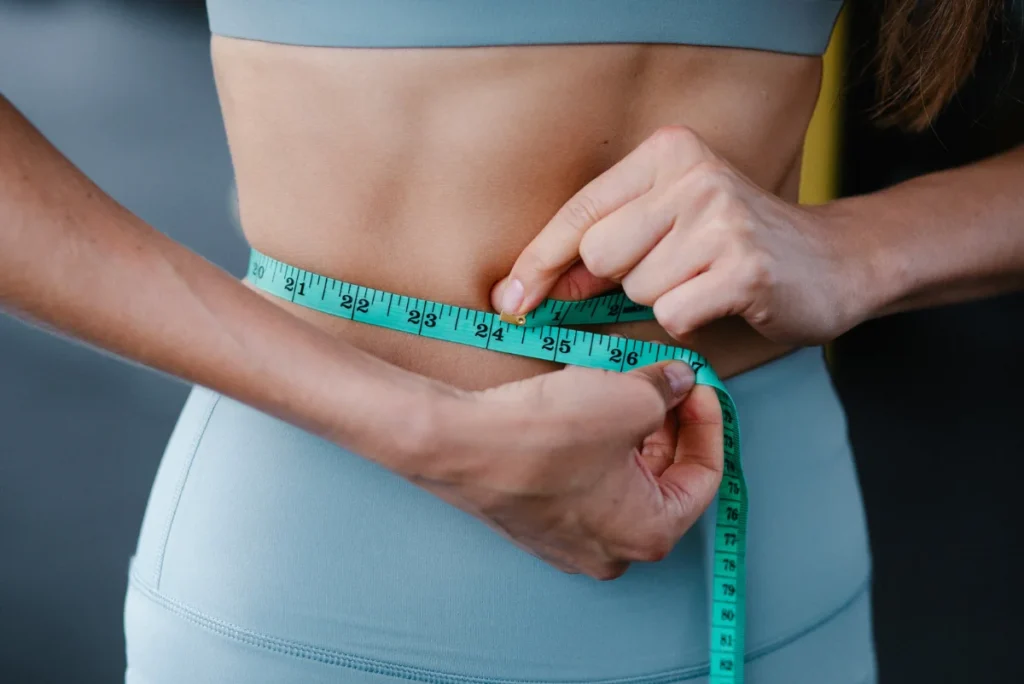
Take your measurements with a measuring tape and compare them with the brand’s chart. Pay attention to the waist, hips and other measurements listed for the garment. If your measurements fall between two sizes, check the brand’s advice or consider sizing up.
When trying something on, move around before deciding that it works. Sit down, bend your knees and walk a little. If the fabric is pulling across the front while you move, that may be a sign that the size is not suitable for you. When that happens, it’s better to take the hint and choose a bigger size and avoid problems down the line.
2. Wear anti camel toe underwear
Your choice of underwear is the greatest weapon you have against camel toe. What you wear underneath your outfit can either help create a smooth front or add more bulk around the crotch. That’s why every woman needs anti camel toe thongs. These thongs are not like the regular panties, they are made to be incredibly smooth and seamless under any outfit. An anti camel toe underwear has:
- Flat seams
- A camel toe proof gusset
- Moisture wicking fabric
- Secure waist band and
- A neutral color
So basically, it is built to protect you from the inside out. The flat seams stay invisible under clothing, the camel tape proof gusset softly pads sensitive areas the moisture wicking fabric keeps the crotch free of sweat and the secure waistband stays in place through workouts and and other activities. Before you give up on those leggings or shorty, give anti camel toe thongs a try, you’ll be glad you did.
-

High Rise Cameltoe Proof Thong
$40.00 -

Low Rise Cameltoe Proof Thong
$40.00
3. Opt for a camel toe concealer pad
If you are not a fan of underwear, a camel toe concealer pad is another great option. Instead of going fully commando, which can sometimes make the outline more noticeable, a concealer pad can provide a light barrier. A reusable concealer pad is designed to sit around the crotch area and create a comfy layer between your body and the outer fabric. This can be useful with leggings, workout shorts, swimsuits and other close fitting clothes.
To use one, follow the product instructions and position the pad on the inside of the garment around the crotch area. Make sure it is sitting comfortably and securely before you start moving. The product uses an adhesive, only use it as directed and in no time you’ll be walking around camel toe-free.
-

Reusable Cameltoe Concealer Pad
Original price was: $19.99.$15.00Current price is: $15.00.
4. Prioritise quality fabrics
The fabric you choose matters. When shopping online, look beyond words like “stretchy” or “soft” and check the product description for information about fabric weight, lining, opacity and construction. Some brands provide GSM, which means grams per square metre. It is a measurement of fabric weight and can give you an idea of whether a material is lightweight or heavier.
When shopping in person, hold the garment up to the light and look at how much you can see through it. Stretch the fabric gently with your hands too. If it becomes significantly more transparent when stretched, that is something to consider before buying it.
For swimwear, look for details such as lining and the fabric composition. Swimwear commonly uses nylon or polyester blended with elastane for stretch, while lining can help reduce transparency.
5. Look for gussets
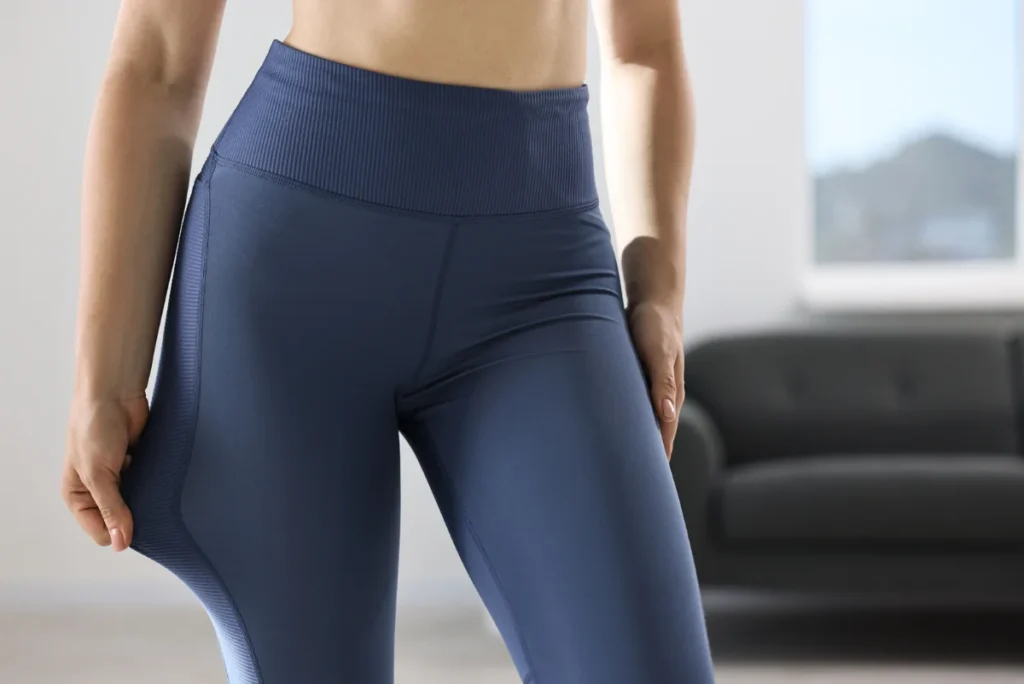
A gusset is a separate piece of fabric inserted into a seam. In trousers, leggings and other activewear, a crotch gusset is usually placed where several seams meet around the crotch. Its job is to spread stress and give the garment more room to move.
A gusset can redistribute some of that tension instead of leaving one seam to handle all the movement. To identify a gusset when shopping, turn the garment inside out and look at the crotch. You may notice a separate diamond, triangular or similarly shaped piece of fabric joining the seams.
You are more likely to find crotch gussets in activewear, hiking trousers, dancewear and some leggings. They help to reduce the appearance of camel toe and give you a smooth look.
Frequently Asked Questions
How do I avoid camel toeing in jeans?
Start by paying attention to the shape and construction of the jeans around the crotch. A very short or tight crotch area can cause the front seam to pull towards the body.
Try different cuts and constructions rather than focusing only on the waist size. Jeans with enough room through the crotch and a comfortable rise can reduce excessive pulling. You can also look for underwear with smooth, minimal seams underneath your jeans.
What fabric prevents camel toeing?
There is no single fabric that guarantees you will never get camel toe. However, thicker and more structured fabrics can provide more coverage than very thin materials, especially when the garment is stretched.
When shopping, look for fabrics described as opaque, lined or medium weight. Also pay attention to the garment’s construction, stretch and seams because these can affect how the fabric sits on the body. Fabric weight alone does not determine opacity.
Why do I always have a camel toe?
If camel toe happens to you frequently, it could be a combination of factors. Your clothing size, fabric, garment construction, underwear and natural anatomy can all play a role.
Your body may also naturally have anatomy that makes certain garments more likely to create a visible outline. Labia come in a wide range of shapes and sizes, and these differences are normal.
The important thing is to follow this guide and learn how to avoid this malfunction.
Final Thoughts
Remember when I said camel toe doesn’t have to dictate how you feel in an outfit? Now you know why. Once you understand what causes it, from clothing that is too small and thin fabrics to bulky underwear and natural body anatomy, you can make simple changes that help you feel more comfortable.
Shop the Camelnot Anti Camel Toe Thong and the Camelnot Camel toe Concealer Pad below and give your outfits the smooth finish they deserve.
Recommended products
-
High Rise Cameltoe Proof Thong
$40.00 -
Low Rise Cameltoe Proof Thong
$40.00 -
Reusable Cameltoe Concealer Pad
Original price was: $19.99.$15.00Current price is: $15.00.