
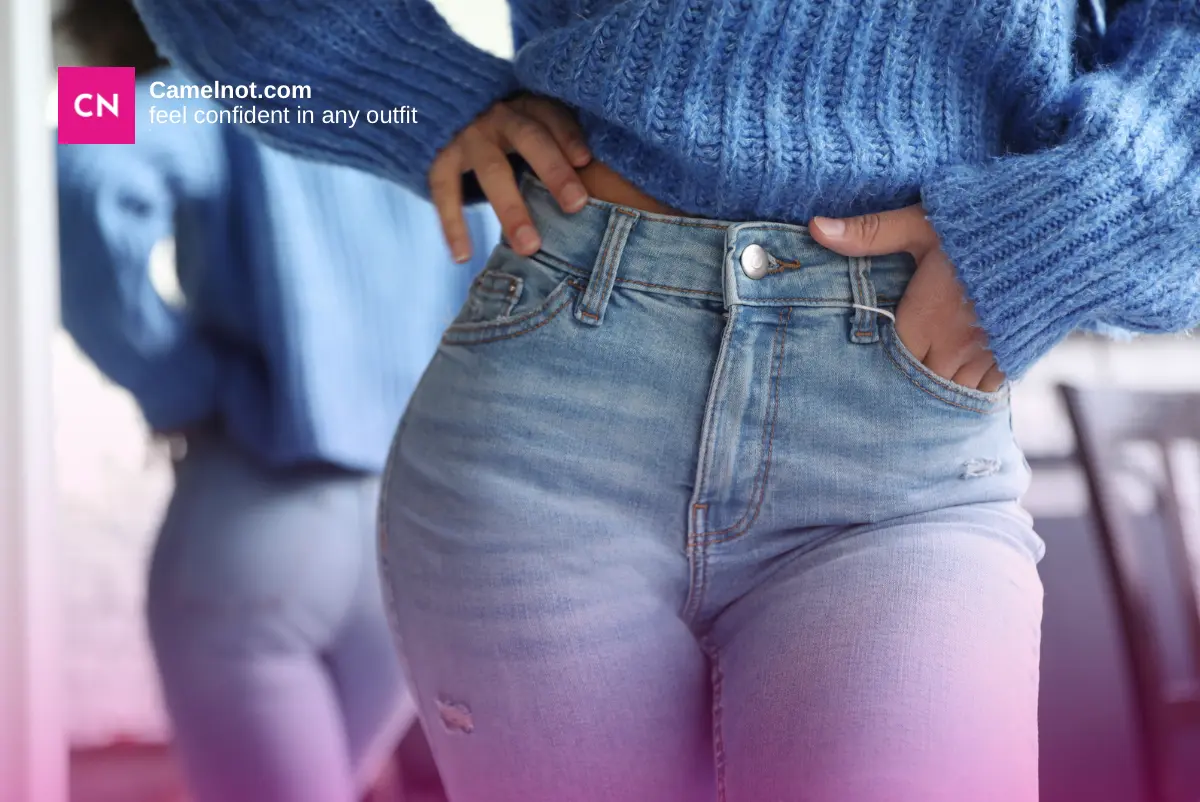
Women love to chat. We share tips, swap stories, discuss the latest celebrity news and get excited about new fashion trends. But for all the chatting we do, camel toe is a topic that usually gets left out of the conversation. It’s one of those things that feels too awkward, too personal and a little embarrassing to bring up casually and that’s completely understandable.
The ironic part is that camel toe is very common. So many women experience it at some point, yet it’s treated like a secret we’re all supposed to pretend doesn’t exist. Instead of talking about it openly, we end up silently adjusting our clothes or searching for answers in private.
But don’t worry, I’ve got you covered. I’m going to answer the questions most of us are already asking behind the scenes: why do I get camel toe in jeans? What actually causes it? And is there a way to stop camel toe instantly without giving up comfort or style?
In this article, I’ll break it all down and share practical solutions, because every woman deserves to feel confident and at ease in her clothes. Let’s get into it.
Why Do I Get Camel Toe in Jeans?
Camel toe in jeans feels like something that shouldn’t really happen. We usually expect it with leggings, jumpsuits, or tight workout shorts, so when it shows up in denim, it can catch you completely off guard.
But jeans can absolutely cause camel toe, and more often than not, it comes down to fit, fabric and how they’re worn. Below are some of the reasons this happens.
1. Lack of a barrier
When there’s little to no fabric between your skin and your jeans, the center seam has nothing stopping it from riding up. Jeans are tougher than leggings, so once that seam shifts, it could stay stuck in an awkward position. This is common when you go without underwear or choose styles that barely cover anything in the front.
Lace underwear, G-strings, and ultra-thin thongs are sexy, but under jeans, they don’t offer much protection. In my experience, denim needs a bit of buffering in that area. Without it, the fabric clings directly to your body, making outlines far more noticeable, no matter how well the jeans fit.
2. Wrong fitting
Jeans that don’t sit properly on your body can cause a whole lot of wardrobe malfunctions, and camel toe is high on that list. I still remember wearing jeans that were so tight they left deep indents on my skin, all because skinny jeans were the trend at the time. At the moment, it felt fashionable, but my comfort definitely suffered.
Even snug-fitting jeans have their limits. When denim pulls too tightly across the hips and thighs, the fabric naturally gets dragged toward the crotch. Instead of lying flat, it bunches and molds to the body in unflattering ways. If you constantly feel like you need to adjust your jeans, chances are the fit just isn’t right for you.
3. Weak structure
Not all jeans are made with the same level of quality or structure. Some denim can be thin, overly stretchy, or poorly designed in the crotch area. While these styles may feel comfortable at first, they often lack the strength needed to hold their shape throughout the day.
Without a firm structure, the fabric collapses inward, especially when you sit, walk, or bend. Over time, this creates unwanted outlines and creasing right at the center. Jeans with better stitching and slightly thicker denim will stay put and keep everything looking smoother.
4. Wearing jeans incorrectly
Sometimes the issue isn’t the jeans themselves, it’s how they’re worn. Pulling low-waist or mid-rise jeans higher than they’re designed to sit can force the crotch seam upward. When the rise doesn’t align with your body, the fabric shifts in ways it’s not meant to.
This is especially noticeable with jeans that already run short in the rise. Instead of sitting comfortably at the hips, they get tugged upward, increasing tension around the hips. The result is bunching, pulling and of course, camel toe that feels very uncomfortable.
5. Old/worn-out fabric
Even the best pair of jeans won’t look brand new forever. Over time, denim softens, stretches, and slowly loses its original shape. High-friction areas, like the inner thighs and crotch, often wear down the fastest.
As the fabric weakens, the crotch seam may begin to sag or fold, leading to bunching right at the front. This makes camel toe more noticeable, even if the jeans once fit perfectly. If a pair suddenly starts giving you issues when it never did before, wear and tear might be the real culprit.
7 Ways To Prevent Camel Toe in Jeans
Once you know what you need to do, camel toe becomes easy to prevent. Here are 7 secret tips to stop front outlines in jeans.
1. Use Camelnot thongs
-
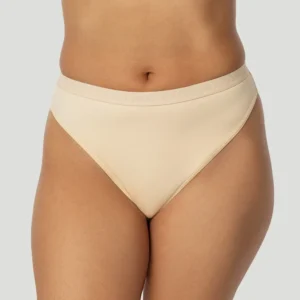
High Rise Cameltoe Proof Thong
$40.00 -
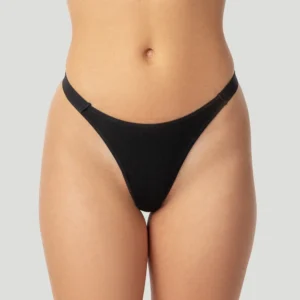
Low Rise Cameltoe Proof Thong
$40.00
Discovering Camelnot thongs changed the fashion game for me. These thongs provide coverage in every outfit, from dresses to jeans. They are made with a breathable blend of fabrics that makes the thongs suitable for everyday wear.
What really sets Camelnot thongs apart is how intentionally they’re designed with anti camel toe features and now they have become the trusted go-to for women everywhere. Here’s why they work:
- They are made with moisture-wicking fabric
- They have a smooth gusset
- They have a soft-structured front panel
- A non-slip waistband that gives a snatched effect
- They stay invisible under clothing
Throwing on a pair of these undies takes the burden off my shoulders because I don’t have to check and fix my outfit every five minutes. I go through my day, rest assured that my intimate bits are not out on display.
Camelnot thongs come in both high-rise and low-rise options to fit your style needs. So if you are tired of adjusting and feeling self-conscious, grab your camel toe proof thongs here on Camelnot.
2. Invest in a camel toe concealer pad
-
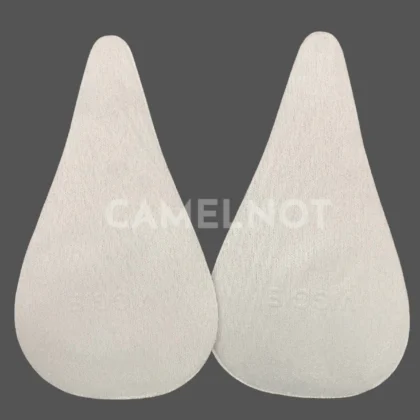
Reusable Cameltoe Concealer Pad
Original price was: $19.99.$15.00Current price is: $15.00.
Another amazing solution is the camel toe concealer pad. This is great for women who love to go without underwear, aka going commando. All you have to do is place these pads on the area and it will instantly smooth out the surface. Camel toe concealer pads are:
- Made with medical-grade silicone
- Hypoallergenic
- Reusable
- Easy to clean
- Very comfortable
You don’t have to worry about shifting or bulging, the pads adhere to the skin and stay in place no matter the activity. Take it from someone who has gone through a lot of hacks and tricks, camel toe pads are hands down the best stick-on solution out there.
If you want a flawless look in your jeans without underwear, give camel toe concealers a quick try. You might be surprised at how natural and secure they feel once they’re on. It’s one of those solutions you forget you’re wearing until you catch your reflection and realize everything looks seamless.
3. Choose the right size
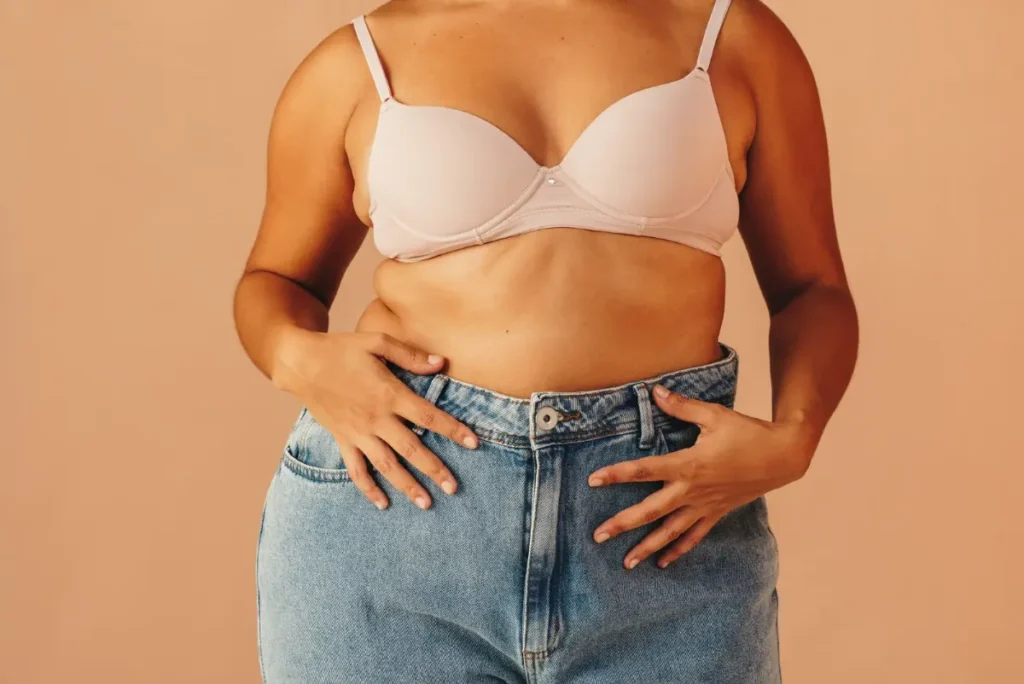
Sizing can be tricky when it comes to jeans, especially if you’re shopping online. Depending on your body type, the waist might fit perfectly while the hips feel tight or vice versa. Over time, I’ve learned that forcing yourself into a size that almost works usually leads to fit issues like camel toe.
Here’s a little trick I swear by: I always size up to fit my thighs comfortably, then take the jeans to a tailor to bring in the waist. This gives me a much better overall fit and eliminates unnecessary pulling in the front.
Before adding jeans to your cart, do a bit of research. Check the brand’s website and social pages to see how their jeans fit different body types. Brands that offer inclusive sizing usually put more thought into their patterns and construction and it shows.
4. Opt for quality fabrics
Quality doesn’t always mean expensive. The trick is knowing how to spot what makes a pair of jeans have lasting power, so you can pick the perfect pair and avoid anything that will fall apart after a few wears.
Whenever you can, head out to shop for your jeans in person so you can get your hands on the actual fabric. High-quality jeans usually have a heavier weight of denim, as the stronger fabric feels more luxurious and is more likely to last.
When shopping for jeans online, look through reviews online, check the material blend. You can also check if the fabric weight (“light,” “medium,” or “heavy”) is listed in the detailed product description.
If you must go for stretch jeans, check the label for the percentage of Lycra or spandex in the fabric: two percent or less is ideal.
5. Try retro cuts

Vintage-style jeans and retro cuts have made a major comeback and for good reason. These styles were designed with structure in mind, which makes them a great option for avoiding camel toe.
Compared to many modern, mass-produced jeans, retro cuts tend to use thicker, sturdier denim. This helps the fabric hold its shape instead of collapsing inward. The result is a more balanced, flattering fit that doesn’t cling unnecessarily.
Great examples include high-waisted mom jeans, bootcut styles, wide-leg jeans, and flared fits. These silhouettes distribute fabric more evenly across the body, reducing tension at the crotch seam.
While vintage-inspired jeans can be a bit pricier, they’re often worth the investment. Better structure, better comfort, and fewer wardrobe malfunctions make them worthy of every cent.
6. Maintain and store properly
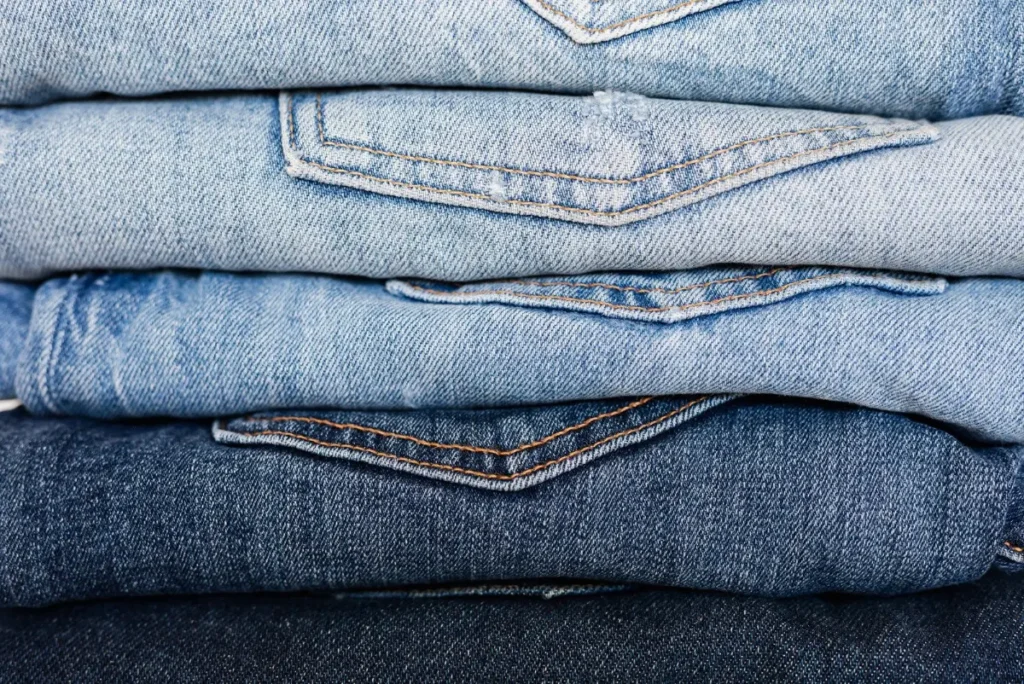
When you treat your clothes right, they return the favor. Good jeans are built to last, so they don’t need to be washed after every wear. In fact, overwashing can break down the fabric faster and lead to fit issues.
As mentioned in my fashion hacks article, you can remove odors by placing your jeans in a zip-lock bag and putting them in the freezer overnight. It’s a simple trick that helps extend the life of your denim.
When your jeans do need washing, always follow the care instructions on the label. Each pair is different, and those directions are there for a reason. Washing and drying jeans incorrectly can weaken the fabric and distort the fit. Proper care reduces wear and tear that can lead to camel toe and it also helps preserve color for longer.
7. Go for for darker wash jeans
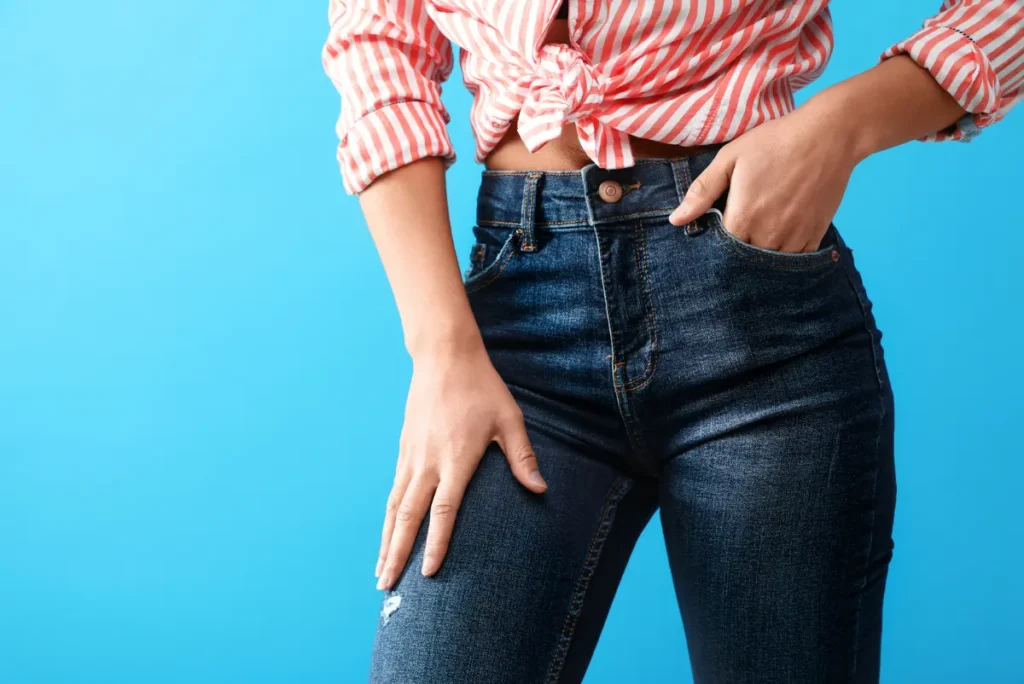
Jeans come in a wide range of washes, but darker shades tend to be more forgiving. Dark denim naturally hides shadows, creases, and outlines better than lighter washes. Light-wash or distressed jeans often highlight every fold and seam, especially in the front. Darker washes, on the other hand, create a smoother, more streamlined look that draws less attention to problem areas.
If camel toe is something you’re actively trying to avoid, darker jeans are an easy, no-effort solution. They’re also incredibly versatile and easy to dress up or down. Sometimes the simplest change, like switching washes, can make the biggest difference.
Recommended products
-
High Rise Cameltoe Proof Thong
$40.00 -
Low Rise Cameltoe Proof Thong
$40.00 -
Reusable Cameltoe Concealer Pad
Original price was: $19.99.$15.00Current price is: $15.00.
Final Thoughts
Jeans are a wardrobe staple and one of the easiest pieces to style, so knowing how to avoid fit issues like camel toe is essential. With the right underwear, fabric, fit, and care, you can wear your favorite jeans comfortably and confidently.
If you need more tips or have specific camel toe related questions, visit Camelnot’s resource page to learn how to feel confident in any outfit. Cheers!