Have you ever wondered what’s behind those sleek, flawless appearances of gymnasts as they twist, flip, and soar through the air? Well, it turns out that there’s more to those dazzling leotards than meets the eye.
Some people may not know this but, gymnasts and their coaches invest a lot of time in selecting the appropriate attire that strikes the balance between functionality, comfort, and aesthetics. And avoiding camel toe is at the very top of their to-do lists.
In this blog post, we’re diving headfirst into the world of athletics to answer the burning question: What do gymnasts wear to not show camel toe?
So, whether you’re a gymnastics enthusiast or you’ve been curious about how they manage to stay comfortable and confident in those skin-tight outfits, stick around because we’re about to reveal the secrets of gymnast fashion.
Why Is Camel Toe a Concern for Gymnasts?
Camel toe is an issue for many gymnasts. It can be caused by the combination of tight clothing and certain movements, leading to discomfort and self-consciousness.
Gymnasts often wear snug-fitting attire, such as leotards, which can make them more open to getting camel toe. The visibility of camel toe can distract both the gymnast and the audience, taking away from the skill and technique.
There are several misconceptions surrounding camel toe in gymnastics. One common misconception is that camel toe is intentional, that gymnasts purposely wear revealing attire to attract attention. However, this is far from the truth.
Gymnasts wear tight-fitting clothing to allow for ease of movement and to showcase their body lines, not to delibrately expose themselves.
Another misconception is that camel toe only occurs due to improper attire. While it is true that ill-fitting or low-quality attire can contribute to camel toe, it can also happen even with the most well-designed leotards.
Over the years, gymnastics attire has gone through significant changes. In the early days of the sport, gymnasts wore loose-fitting garments that covered their entire bodies.
However, as the sport evolved and became more demanding, the need for more streamlined and form-fitting garment emerged. This led to the development of the leotard, a one-piece garment that hugs the body and allows for optimal movement.
Leotards have become the standard attire for gymnastics, providing the necessary flexibility while maintaining modesty.
With advancements in technology and fabric innovation, leotards have become more comfortable, durable, and aesthetically appealing. The evolution of gymnastics attire reflects the sport’s commitment to both functionality and style.
However, this does not mean that gymnasts don’t deal with camel toe, they just employ various techniques to prevent it and ensure a seamless performance. So if you are wondering what female gymnasts wear under their leotards to not get camel toe then keep reading.
What Do Gymnasts Wear To Not Show Camel Toe?
1. Camel toe concealers
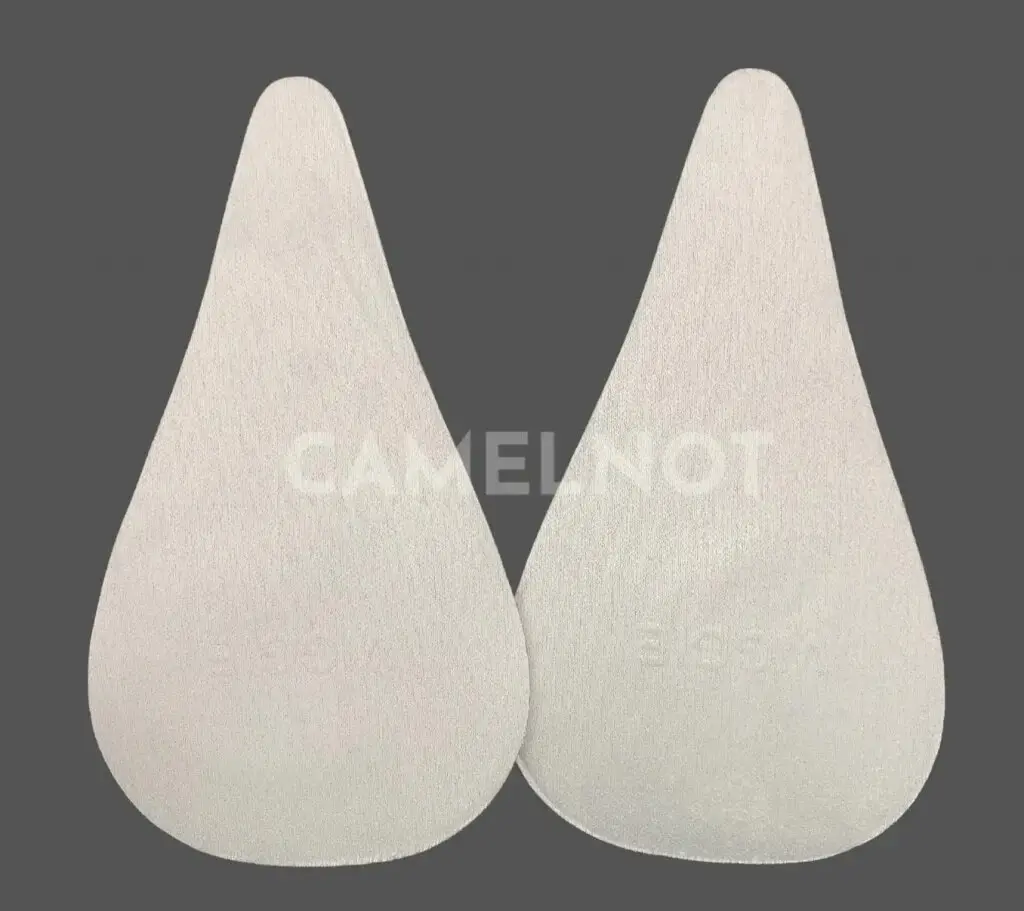
Gymnasts use the effective power of the camel toe concealer to prevent wedgies during their routines. These easy-to-use silicone covers ensure that the leotard remains in place, allowing for unrestricted movement without the discomfort of fabric bunching up.
2. Leotard liners
A Leotard liner is a helpful piece of clothing that looks like a leotard but is made with a thinner fabric. Gymnasts wear these liners as a base layer under the actual costume so it’s like wearing a singlet under a shirt.
They’re often made from smooth, soft, and moisture-wicking materials which makes them perfect to wear under white or light colored leotards. Leotard liners are available on athletic clothing sites like GK Elite Sportswear.
3. Adhesive products
To enhance the grip of the leotard and prevent it from riding up, some gymnasts use adhesive products. These products, such as butt spray or sticky double sided tape, help secure the leotard to the body, reducing the likelihood of camel toe.
However, it’s essential to choose adhesives that are safe for the skin and won’t irritate. There are many brands of butt glue available in local costume shops and online stores like Amazon.
4. Padded inserts
One effective method gymnasts use to prevent camel toe is wearing leotards with padding in the crotch area. These padded leotards not only provide additional coverage but also help reduce the visibility of the genitalia. The padding acts as a barrier, ensuring a smooth appearance during performances.
5. Proper underwear
Undergarments play a crucial role in preventing wardrobe malfunctions. Gymnasts choose panty styles that provide support and coverage without interfering with the fit of their leotards. Seamless underwear or no show undies can help minimize visible lines and create a smooth silhouette.
6. Specialized hacks
Some gymnasts wear special undergarments or shapewear made from stretchy and breathable fabrics that help minimize the appearance of the crotch. Others may also choose to wear shorts or leggings underneath their leotards for an added layer of structure to the fabric.
7. Powders and lotions
Gymnasts often apply a light, absorbent powder to the crotch area before putting on their leotards. The powder serves to absorb any excess moisture on the skin, which can contribute to friction and make the leotard stick to the body. By keeping the skin dry, powders can reduce the likelihood of the fabric clinging to the body in an unflattering way.
Some gymnasts prefer using lotions or anti-chafing creams instead of powders. These products are also applied to the skin in the pelvic area, creating a barrier between the skin and the leotard.
This barrier reduces friction, which can help prevent the fabric from riding up and creating a camel toe. The goal is to create a comfortable surface beneath the leotard while maintaining a polished appearance.
Other Techniques Gymnasts Use To Prevent Camel Toe
1. Properly fitting leotards
One of the most important factors in preventing camel toe is wearing a properly fitting leotard. Gymnasts opt for leotards that fit snugly without being too tight or too loose. A well-fitting leotard reduces the chances of fabric shifting during movements, minimizing the potential for wedgies.
2. Strategic seam placement
Another technique gymnasts employ to avoid frontal wedgies is strategic seam placement in their leotards. By placing seams in specific areas, such as the back or sides, gymnasts can minimize the chances of fabric gathering and creating discomfort. These well-placed seams ensure a smoother fit and reduce the risk of a malfunction.
3. Carefully chosen fabrics
Gymnasts pay close attention to the fabrics used in their leotards to minimize the risk of camel toe. They opt for materials that offer both stretch and compression, allowing for ease of movement while also providing adequate coverage.
Materials that are usually opaque to ensure maximum coverage. Fabrics with moisture-wicking properties are also favored, as they help keep the body dry and comfortable throughout the performance.
4. Professional design and construction
The design and construction of gymnastics leotards play a significant role in preventing camel toe. Professional leotards are carefully crafted to fit the body snugly without causing discomfort or visibility issues. These leotards feature innovative techniques, such as strategic paneling and reinforced seams, to ensure a secure and flattering fit.
5. Regular adjustments between routines
Gymnasts take advantage of brief breaks between routines to make any necessary adjustments to their attire. This includes smoothing out the fabric, ensuring the leotard is in place, and addressing any outfit issues. These regular adjustments help maintain a polished appearance and ensure comfort throughout the competition.
6. Choosing darker fabrics
You might have noticed that gymnasts often wear dark-colored leotards or outfits to create an illusion when they perform. Dark-colored materials tend to be more opaque, which means they are less likely to become see-through when stretched or pulled in different directions.
7. Clothing alterations
It is not uncommon for athletes to work with skilled seamstresses or tailors who can make custom clothing alterations to address a camel toe problem.
These alterations typically involve adjusting the seams and the overall fit of the leotard. The idea is to ensure that the fabric sits on the skin without creating any awkward bulges.
The seamstress might make changes to the crotch area, like adding a gusset or using specific stitching techniques, which can help distribute the tension evenly.
Conclusion
And there you have it – the secrets to what gymnasts wear to prevent camel toe. Gymnastics attire is a carefully chosen combination of techniques and choices aimed at ensuring the athletes’ confidence and focus on their incredible routines.
Camel toe may be a common concern, but as we’ve explored, gymnasts have an array of strategies and tools at their disposal. From camel toe concealers to adhesive products, padded inserts, and carefully chosen fabrics, they’ve got it all covered.
Let’s not forget the importance of a properly fitting leotard, strategic seam placement, and professional design and construction.
So the next time you watch a gymnastics performance, you’ll have a deeper appreciation for the thought and effort that goes into what they wear. With the tips provided in this article, You, too can embrace comfort in any athletic clothing.