
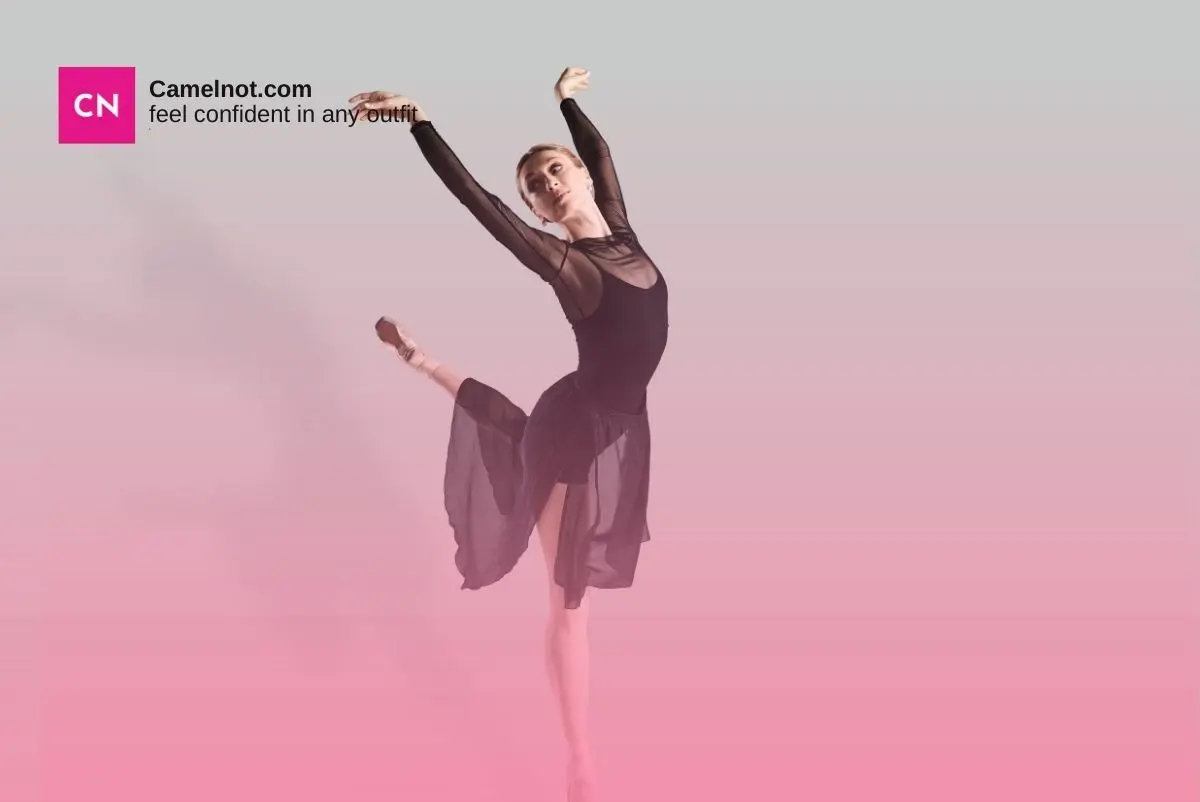
Have you ever been mesmerized by the incredible synchronization and high kicks in a kick line performance? There’s a whole lot that goes behind those flawless routines, discipline, practice, and, yes, impeccable aesthetics. Those dazzling costumes make every move pop.
If you’re a kick line dancer or aspiring to be one, you’ll understand how a costume snafu like a camel toe can be not just distracting but downright embarrassing. It’s not just about the looks; it’s about feeling confident and comfortable in your skin.
So, how do we tackle this problem? Well, let’s dive right into it. Whether you’re a newbie or a seasoned performer, I’ve got some tried-and-true tips to help you high-kick without a hitch.
10 Ways Kick Line Dancers Prevent Camel Toes
1. Proper costume sizing
When it comes to preventing camel toes in kick line dancing, size truly matters. Wearing a costume that fits like a glove can make all the difference between a comfortable, camel toe-free performance and an awkward one.
Therefore, they always try on multiple sizes and consider doing some of your routine moves in the changing room to gauge comfort. They also consult sizing charts and, if possible, seek advice from a professional fitter or other experienced dancers.
2. Use of high-quality fabrics
High-quality material like spandex, lycra, or certain polyester blends offers both the flexibility to move and the firmness to keep everything in place. They usually prefer natural fibers like cotton blends that incorporate synthetic fibers for that necessary stretch. Investing in good fabric not only elevates their performance but also saves them from potential wardrobe malfunctions.
3. Right seam placement
Never underestimate the power of well-placed seams. Seams can guide the fabric, making sure it adheres to your body where it should. They opt for designs with off-center or strategically placed seams that reduce the likelihood of a camel toe. Reinforced seams add an extra layer of fabric and can provide further assurance. These dancers also consult with their costume designer to ensure seam placement is given the attention it deserves.
4. They make use of layers
Adding layers like full-coverage sports briefs or dance tights under their costume provides an additional safety net against camel toes. The extra layer helps to smooth out the fabric of their costume, ensuring a more flattering fit. They also consider compression sports briefs for more secure coverage or seamless dance tights for a barely-there feel that still offers protection.
5. Proper use of padding
Some dancers swear by padding or modesty panels as fool-proof methods for preventing camel toes. These options add a layer of material in the crotch area that helps to smooth out the appearance of the costume. What they do is look for costumes with built-in padding, or they add their own. There are specialty pads made of foam or silicone specifically designed for this.
6. Adhesive strips or tape works
Fashion tape is another way they gently hold the fabric in place; however, they do a patch test first to make sure it doesn’t irritate their skin. For something more heavy-duty, they go for silicone adhesive strips designed for fabrics, which can be a game-changer, and ensure that their costume stays exactly where they want it to.
7. Use of specialized garments
Specialized garments exist because they’re engineered to solve specific problems, and that includes preventing camel toes. Brands have caught onto the issue and have begun designing dancewear with built-in features that tackle the problem head-on.
From padding and modesty panels to seam placements optimized for a more flattering fit, these garments offer a convenient all-in-one solution.
8. Regular adjustments are made
Even with all the preparation in the world, costumes can sometimes still go awry during a performance. That’s where the art of regular, subtle adjustments comes into play. Experienced dancers become experts at quick fixes, learning how to adjust their outfits during moments of inactivity discreetly or turns in a routine. While it may seem trivial, mastering the skill of quick and subtle adjustments saves them from a lot of unnecessary stress during a performance.
9. Prior costume testing
They perform their routine in full costume during rehearsals to make sure everything stays in place. This is their only chance to identify any issues and make necessary adjustments, whether that’s adding an extra layer, repositioning padding, or even opting for a different costume altogether. Testing helps them go into the actual performance with greater confidence and less worry about potential wardrobe malfunctions.
10. Regular consultation with costume experts
They consult with experts in the field, be it costume designers, experienced dancers, or even specialty dancewear retailers. These professionals offer valuable insights and personalized advice tailored to your needs.
Whether it’s choosing the right material, ensuring proper fit, or providing specialized solutions like custom padding, their expertise provides that final layer of assurance that they’ve done everything possible to prevent camel toe during your performance.
Conclusion
Kick line dancers are an incredible group of performers who embody skill, grace, and boundless energy. Their captivating routines require not only physical strength but also immense confidence. It’s that confidence that shines through in every high kick, every precise movement, and every synchrony with fellow dancers.
And let’s be real: something as trivial as a camel toe is not going to throw these performers off their game. That’s why they go to great lengths to address every possible wardrobe issue, camel toe included.
From selecting costumes with precise attention to detail to performing pre-show costume tests and relying on expert advice, these dancers are proactive in ensuring nothing distracts from their performance.