
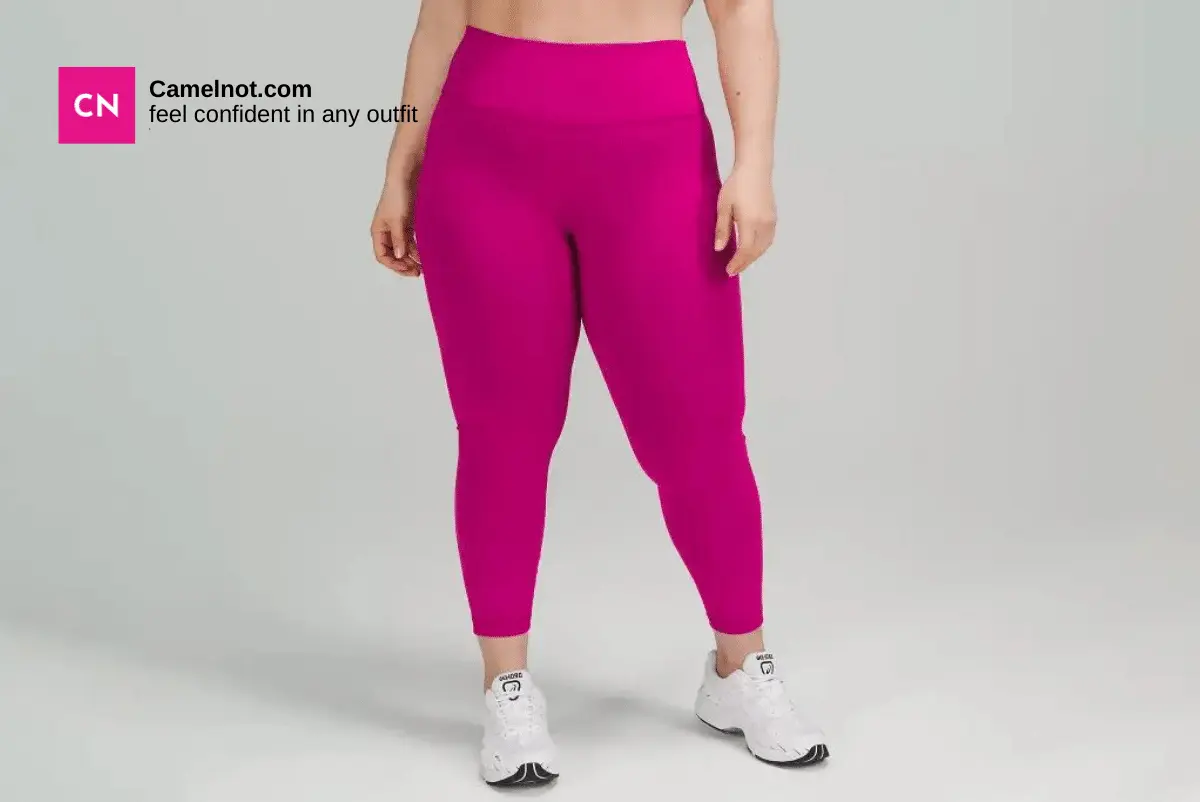
Unlike traditional designs, which often have a seam running through the center, the diamond-shaped crotch features a unique pattern resembling a diamond or inverted triangle. But does it prevent camel toe? Below is my thought;
While the diamond-shaped crotch can certainly help in reducing the risk of camel toe, it’s not a foolproof solution. Different bodies have different needs, and what works for one person might not work for another.
However, the diamond-shaped crotch is a step in the right direction. By distributing fabric tension more evenly, it helps to minimize the chances of fabric bunching and clinging to the intimate areas. This can go a long way in preventing the dreaded camel toe.
In this blog post, I’ll discuss the pros and cons of diamond shaped crotch, and other alternative ways to prevent camel toe.
Pros and Cons of Diamond-Shaped Crotch

Pros of Diamond-Shaped Crotch:
1. Camel toe prevention
The primary advantage of the diamond-shaped crotch design is its potential effectiveness in preventing camel toe. The reduced seams and contours contribute to a smoother appearance in the crotch area, addressing a common concern in tight-fitting clothing.
2. Seamless aesthetics
The unique design lends itself to a more seamless and aesthetically pleasing look. The absence of a central seam in the crotch area creates a cleaner and less interrupted silhouette, enhancing the overall appearance of the garment.
3. Comfort enhancement
Many users report increased comfort with diamond-shaped crotch designs. The minimized seams reduce friction and potential discomfort, making the garment more wearable for extended periods.
4. Innovative fashion appeal
The adoption of the diamond-shaped crotch design reflects innovation in fashion. Brands incorporating this design showcase a commitment to addressing common wardrobe challenges and staying at the forefront of design trends.
Cons of Diamond-Shaped Crotch
1. Varied effectiveness
The effectiveness of the diamond-shaped crotch in preventing camel toe can vary among individuals. Factors such as body shape, fabric choice, and garment size may influence how well the design works for different users.
2. Limited adoption
While the diamond-shaped crotch design is gaining attention, it is not yet universally adopted across all brands and styles. Limited availability may restrict the options for individuals seeking this specific design feature.
3. Style constraints
The distinctive shape of the diamond crotch may not suit all clothing styles. It is more commonly found in athletic wear or leggings, and its applicability to a broader range of fashion styles may be limited.
4. Potential design compromises
In some cases, the emphasis on reducing seams and contours may lead to design compromises. The garment’s overall fit and structure may be affected, impacting its performance in terms of flexibility and durability.
5. Higher cost
Garments featuring innovative designs, including the diamond-shaped crotch, may be associated with a higher cost. The complexity of the design and the use of specialized construction techniques can contribute to an elevated price point.
Other Camel Toe Prevention Techniques
While the diamond-shaped crotch and Camelnot Camel Toe Concealer are effective solutions, there are a few other techniques you can try to further minimize the risk of camel toe. Let’s explore these methods in more detail:
1. Proper Undergarments
Wearing the right underwear can make a significant difference in preventing camel toe. Look for seamless or low-rise panties made from smooth, stretchy fabrics. These styles can help create a seamless silhouette and reduce the likelihood of fabric bunching.
2. Shapewear
Consider incorporating shapewear into your wardrobe. Shapewear, like high-waisted briefs or shorts, can provide added support and smoothing effects, minimizing the chance of fabric clinging and camel toe.
3. Layering
Layering your outfits can be a clever strategy to prevent camel toe. By adding an extra lightweight garment, like a slip or a thin pair of shorts, beneath your clothes, you create an additional barrier that helps distribute fabric tension and prevent fabric from clinging to the intimate areas.
4. Tailoring and alterations
If you have a favorite pair of pants or leggings that tend to show camel toe, consider having them tailored or altered. A skilled tailor can make adjustments to the crotch area, providing you with a better fit and reducing the likelihood of fabric bunching.
5. Garment selection
Choosing the right types of garments can play a vital role in preventing camel toe. Opt for clothing items with a looser fit, such as flowing skirts or dresses, which naturally limit the risk of fabric clinging. Additionally, garments with patterns or textured fabrics can visually disguise any potential camel toe.
6. Fabric choices
Fabrics that have some stretch, like spandex or elastane blends, can be your allies in the fight against camel toe. These materials provide flexibility and are less likely to cling to your intimate areas. Avoid thin, lightweight fabrics that are prone to bunching and opt for more substantial options instead.
7. Camouflage techniques
If you’re in a pinch and need a quick fix, there are a few clever tricks to camouflage camel toe. One method is to strategically place a scarf, belt, or statement accessory around your waist, diverting attention from the crotch area. Alternatively, choosing bottoms with ruffles, pleats, or draping can create extra fabric volume and help conceal any potential camel toe.
Summary
In conclusion, the diamond-shaped crotch design offers notable benefits such as camel toe prevention, seamless aesthetics, and enhanced comfort. However, its effectiveness varies, and adoption across different styles remains limited. While the design reflects innovation in fashion, potential drawbacks include varied effectiveness, style constraints, and a potentially higher cost.