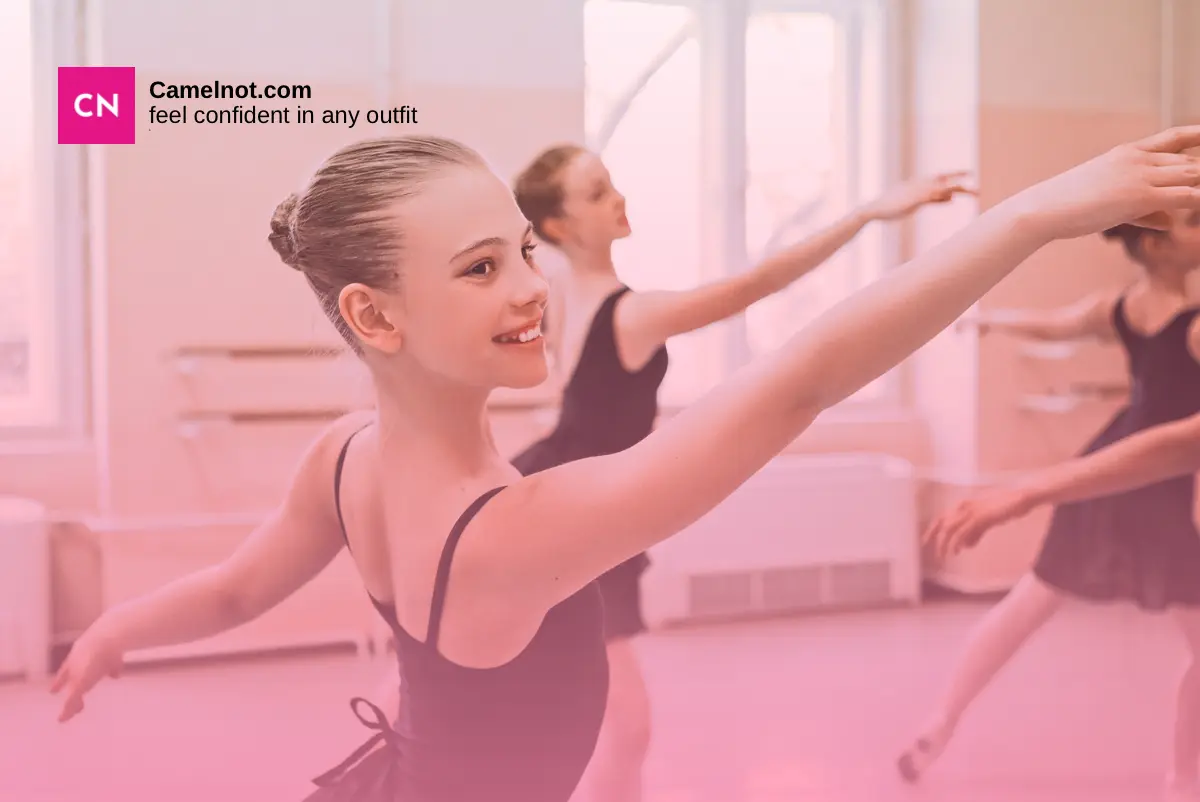
Have you ever wondered how ballerinas stop camel toes while tiptoeing delicately across the stage?
Ballerinas are loved for their graceful movements, flawless technique, and elegant costumes. But behind the scenes, they face a unique challenge—camel toes.
However, they have one or two tricks up their tutus to prevent unsightly wardrobe malfunctions. So, In this article, we will unlock the mystery behind how ballerinas manage to keep everything in place.
From special underwear to well-fitted costumes, we will go through the ingenious techniques used by these dancers to ensure their outfits appear prim and proper.
How Do Ballerinas Stop Camel Toes?
Camel toe is a common issue faced by many dancers, including ballerinas. It occurs when the fabric of tight dancewear, such as leotards or leggings, bunches up in the crotch area, creating a visible outline that resembles a camel’s toe.
Not only can camel toe be uncomfortable, but it can also be embarrassing for dancers, affecting their confidence on stage. Understanding the causes and impact of camel toe is the first step in finding effective solutions to avoid it.
The primary cause of camel toe is ill-fitting dancewear. When the fabric is too tight or not properly adjusted, it can ride up into the crotch area, creating the camel toe effect. Another contributing factor is the choice of underwear.
Camel toe can have a negative impact on a dancer’s performance and self-esteem. It can distract both the dancer and the audience, taking away from the beauty and grace of the performance.
Additionally, dancers who are constantly worrying about camel toe may not be able to fully focus on their movements and technique. It is essential for dancers to address this issue and find effective solutions to avoid camel toe altogether.
In order to achieve a seamless appearance in your ballet attires, we have provided some of the best camel toe solutions from the professionals themselves. Here are 17 ways to avoid camel toe as a ballerina.
1. Invest in proper dancewear
Proper dancewear is crucial for preventing camel toe. One of the key aspects to consider is the fit of the dance wear. You have to choose an outfit that fits snugly but not too tightly.
The fabric should be stretchable and allow for freedom of movement without bunching up in the crotch. When trying on dancewear, dancers should pay close attention to how it fits around the waist and thighs, ensuring that there is no excess fabric that could contribute to camel toe.
2. Choose the right fabrics
In addition to the fit, dancers should also consider the type of fabric used in their dancewear. Opting for high-quality materials that have moisture-wicking properties can help prevent camel toe.
These fabrics are designed to keep the dancer dry and comfortable by drawing moisture away from the body, reducing the chances of fabric sticking to the crotch area.
3. Select supportive underwear
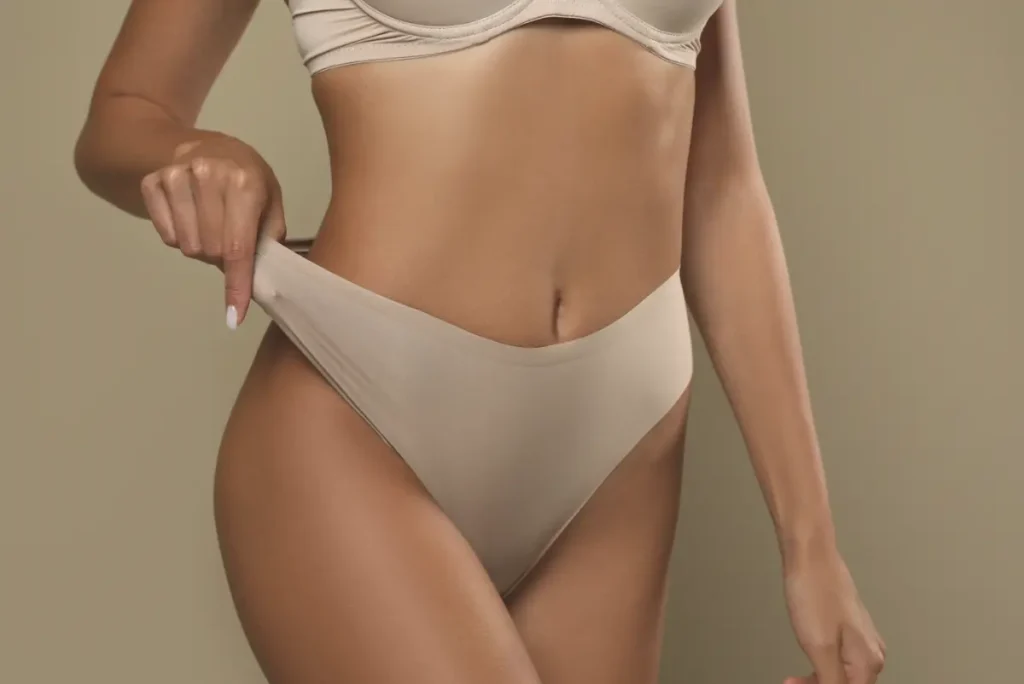
Dance is a sport hence, supportive garments are a must. Many professional ballerinas choose underwear with seamless designs in the crotch area. This will provide a structured base layer that can prevent the fabric from creating camel toe.
Seamless undies also provide a smooth and sleek appearance, enhancing the overall aesthetic of the dancer’s performance. Thongs are also a popular choice among dancers as they eliminate the risk of visible panty lines.
However, not all thongs are created equal when it comes to preventing camel toe. You should look for thongs that have a wider, seamless back panel to ensure a smooth fit.
4. Pick appropriate colors
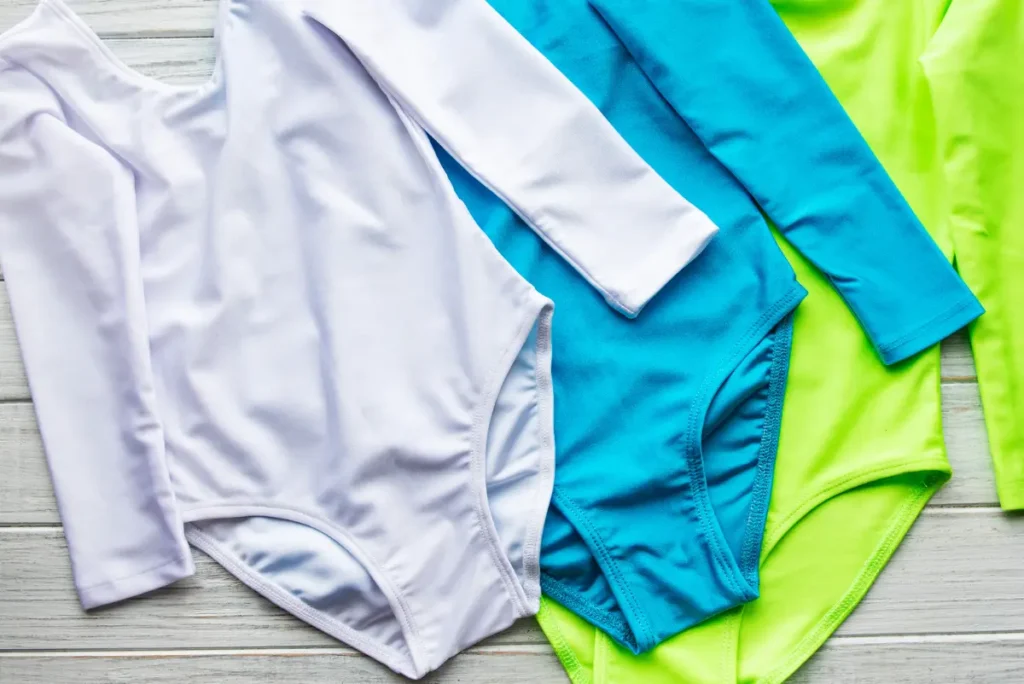
Colors are one of the most fascinating aspects of clothing. They can either make or break your outfit and way your audience perceives the color of your leotard is important. In my experience, I have noticed the lighter colored leotards are more likely to highlight feminine lines than darker colors.
However, It is not only your leotard color that you should pay attention to, the color of your underwear or undergarments are also as important. Dark underwear sometimes shines through (if the dress is a light color), so ask somebody to have a look when you’re in a place with bright lighting.
If you are unable to find shorts or leggings that match the color of your outfit, buy them in white and have them dyed.
5. Opt for a unitard
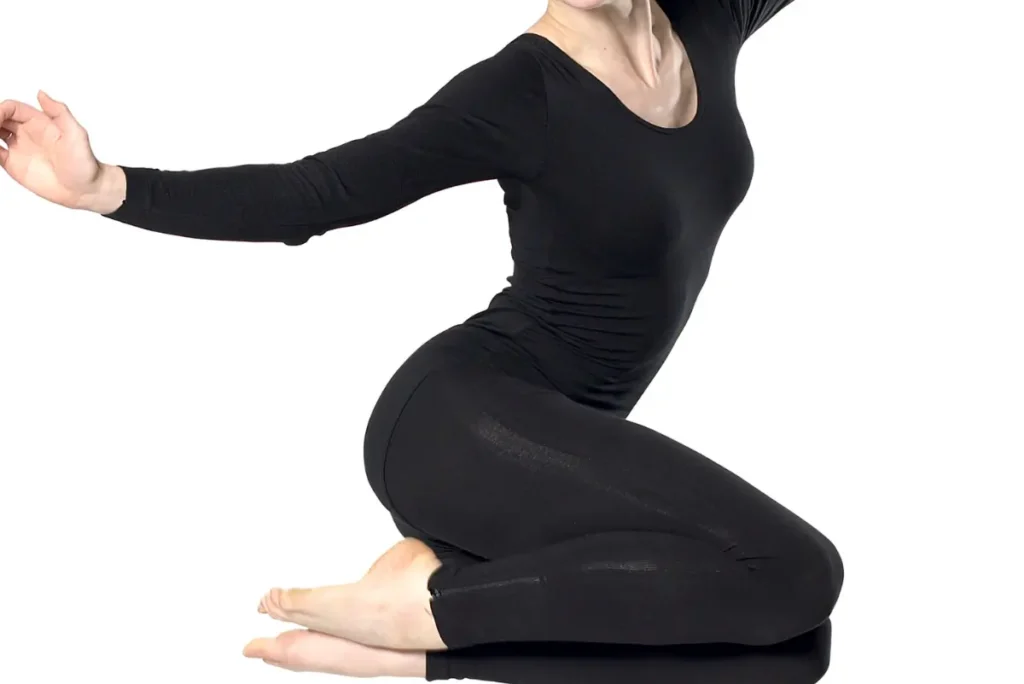
The ankle-length unitard is the perfect costume foundation for dance, aerial, tightrope, hoop, and other performance styles. The simple style allows it to be used under a variety of events.
Unitards are designed to fit snugly, which can reduce the likelihood of camel toe by providing full coverage and minimizing fabric bunching.
6. Go commando
Another option for dancers is to go commando and forgo underwear altogether. This may not be suitable for everyone, but for those comfortable with it, it eliminates the risk of visible panty lines and any potential for fabric bunching up in the crotch area.
7. Test the fit
Professional dancers don’t just keep their costumes in the wardrobe until it’s competition day, many of them actually wear their clothes before hand to see if the fabric, the style and the flexibility are providing all the needed support.
Sometimes, a stitch placed in the wrong area can ruin an entire performance. Testing the fit of your clothing will help you to note any problem areas so that you can either adjust the outfit or change the costume altogether.
8. Alter the costume
This is the part that comes after testing the fit. So, If you have found the outfit lacking in one or two areas, this is the time to alter the clothing.
For dancers who are skilled in sewing or have access to a costume designer, modifying the fabric of dancewear can be an effective solution. Adding extra panels or gussets in the crotch area can help distribute the fabric and reduce the chances of camel toe.
9. Adjust your dance wear
Adjusting dancewear is essential for avoiding camel toe. Dancers should take the time to ensure that their dancewear is sitting correctly on their bodies before each performance or rehearsal. This includes pulling up any fabric that may have shifted or bunched up in the crotch area.
One technique that you can use is to gently tug the fabric downwards from the waistband to create a slight tension. This helps to smooth out any potential fabric bunching and ensures a clean and seamless appearance.
Additionally, ballerinas can use their hands to smooth out the fabric and ensure that it is sitting flat against the body. It is also important to be mindful of your movements while wearing dancewear.
Certain movements, such as deep lunges or splits, can increase the chances of fabric riding up and creating camel toe. By being aware of these movements and making slight adjustments when necessary, dancers can prevent camel toe from occurring during their performances.
10. Wear leotard liners
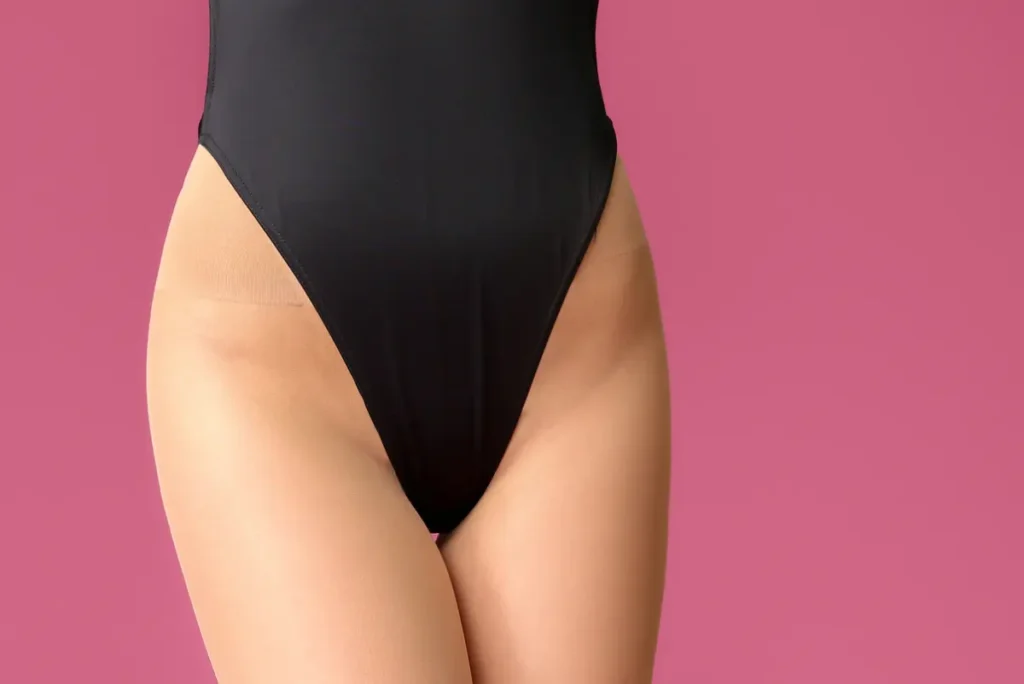
Leotard liners are special one-piece undergarments that cover the torso, offering a smooth and seamless layer under the leotard. They are often made of lightweight, breathable fabric and are popular for creating a clean silhouette.
11. Use padding and inserts
For dancers who are particularly prone to camel toe, using padding and inserts can be an effective solution. These accessories can help create a barrier between the body and the fabric, preventing any fabric from bunching up in the crotch area.
One option is to use silicone inserts specifically designed to be worn with dancewear. These inserts also called ‘camel toe concealers’ are discreet and provide a smooth surface that eliminates the risk of camel toe. They can be easily inserted into the crotch area of dancewear and are virtually undetectable.
Another option is to use padded underwear or panty liners. These provide an extra layer of padding and coverage, reducing the chances of fabric bunching up. Padded underwear is especially useful for dancers who prefer more coverage and support while still maintaining a seamless appearance.
12. Wear athletic trunks
Cheerleaders, Majorettes, Gymnasts and other athletes often wear trunks. Trunks look exactly like the bottom half of a leotard. They are stretchy, comfortable, and make a nice alternative to a regular undergarment.
13. Tape up
During performances, dancers may find it challenging to prevent camel toe due to the intensity of their movements and the duration of their routines. However, there are techniques that can help minimize the risk of camel toe during performances.
One technique is to apply a small amount of athletic tape or double-sided fashion tape to the crotch area of the dancewear. This helps to keep the fabric in place and prevents it from shifting or bunching up during movements.
It is important to use tape that is specifically designed for skin contact to avoid any discomfort or irritation.
14. Skip the bulky designs
A common mistake you need to avoid when dealing with camel toe is wearing clothing with thick seams or embellishments.
These decorations can push the fabric into the crotch area, making the camel toe more obvious. Dancers should opt for seamless and smooth underwear to minimize the risk of fabric bunching.
Lastly, dancers should avoid using excessive amounts of padding or inserts. While these can be effective solutions, using too much padding can create a bulky appearance and draw attention to the crotch area.
It is important to find a balance and use padding or inserts sparingly to maintain a natural look.
15. Alternate dancewear styles
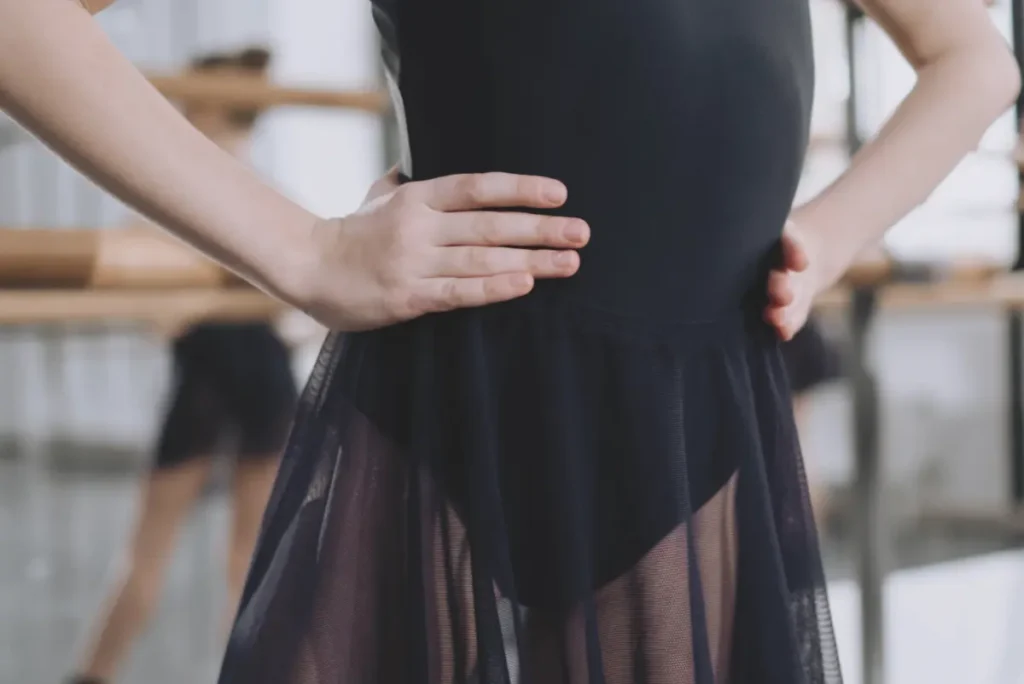
Experiment with different styles of dancewear to find what works best for your body type and movements. Some dancers may find that certain styles, such as high-waisted leggings or skirts, provide better coverage and minimize the risk of camel toe.
16. Practice good hygiene
Maintaining proper hygiene in the crotch area is essential for preventing camel toe. Dancers should regularly wash their dancewear and underwear to ensure that there is no buildup of sweat or bacteria that could contribute to fabric sticking or bunching up.
17. Try professional fittings
Consider getting professional fittings for your dancewear. Dancewear stores or costume designers can provide expert advice on finding the right fit. You will also gain an understanding of what exactly you need for your body type that minimizes the risk of camel toe.
Final Thoughts
Camel toe can be a frustrating and embarrassing issue for dancers, but it is definitely fixable. By understanding the causes and impact of camel toe, investing in proper dancewear, choosing the right underwear, and using adjustment techniques and accessories, dancers can effectively prevent camel toe and perform with confidence and comfort.
It is important to remember that camel toe is a common issue faced by many performers, and there are solutions available.
By trying out the tips and techniques shared by professional ballerinas and exploring additional solutions, dancers can overcome the challenge of camel toe and focus on what they love most – expressing themselves through the art of dance.
So, embrace your confidence, find the right dancewear, and dance your heart out, knowing that you have the tools to prevent camel toe and shine on stage.