We’ve all heard the term camel toe and maybe even giggled about it, yet beneath the humour, there is a part of us that knows that the infamous frontal wedgies are not all fun and quirks.
Camel toe is a serious issue that many women experience, and one common question that often pops up is; does camel toe hurt?
In this blog post, we’re going to peel back the layers of this wardrobe mishap and uncover whether camel toes are just an awkward style slip or if there’s some genuine discomfort involved.
So, if you’ve ever pondered the pain factor of camel toes, stick around because we are about to unravel the mystery and set the record straight.
Furthermore, I will explore the role of clothing choices and discuss medical conditions that may contribute to camel toe discomfort.
By the end of this article, you will have a comprehensive understanding of camel toe and how to alleviate any or pain it may cause.
Does Camel Toe Hurt?
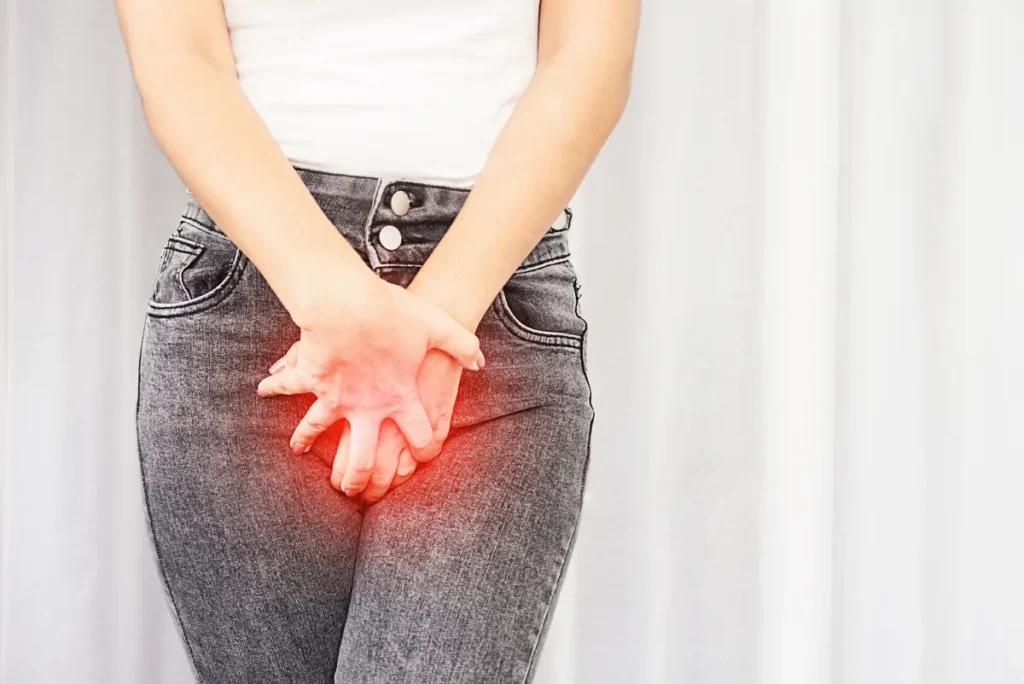
Yes, camel toe can hurt. The tightness and pressure on the genital area by the clothing can cause physical pain, and the constant rubbing may result in skin irritation, redness, and even sores.
Additionally, the compression of the groin can restrict blood flow, causing numbness and a tingling sensation. This is because camel toe occurs when the fabric of snug clothing, such as leggings or swimsuits, becomes wedged in the creases of the female genitalia.
This situation can be caused by a combination of factors, including the cut and design of the clothing, the fabric’s elasticity, and the shape of the crotch area.
Another type of pain that is not usually accounted for is emotional discomfort. While camel toe itself may not physically hurt, it can lead to self-consciousness for many women.
The visibility of camel toe can make women feel exposed or embarrassed, affecting their confidence and overall well-being. Moreover, the constant pressure and friction caused by tight clothing can cause chafing, leading to an awkward appearance.
Why Is Camel Toe Painful?
1. The thickness of the fabric
One common cause of painful camel toe is the use of certain clothing materials like jeans or corduroy. When these tough fabrics get stuck in your delicate areas, they can really hurt.
We can also point to synthetic fabrics, such as polyester or nylon, as a source of painful camel toe because they tend to have less breathability and can trap moisture, creating a humid environment that promotes bacterial growth and increases the risk of infections.
2. The ill fit of the clothing
Ill-fitting clothing, such as those with narrow crotch seams, can also contribute to discomfort and pain by excessively clinging to the genital area.
3. Physical activity
Another factor that can lead to discomfort is the duration and intensity of physical activity. Engaging in activities that involve repetitive movements or high impact, such as running or cycling, can increase the friction on the camel toe area, causing more discomfort.
How To Prevent Discomfort From Camel Toe
1. Avoid tight pants
Preventing discomfort from camel toe begins with making informed clothing choices. Choosing the right fit and style is essential to avoid camel toe and minimize any pain associated with it, so if you constantly get camel toe, it is time to say goodbye to those extremely tight bottoms.
This doesn’t mean you have to change your style completely; all you have to do is lean towards more loose fitting pants. And when shopping for active wear or swim wear, look for clothing with a wider crotch area and sufficient stretch to ensure a comfortable fit that doesn’t cling to the groin.
Find brands that design their pants with a gusset lining, as this can help prevent the fabric from riding up and becoming wedged in the creases of the genital area. Avoid clothing with excessive seams or stitching in the crotch area, as these can contribute to camel toe discomfort.
2. Choose the right fabrics
You should also be mindful of the type of fabrics you choose. Opt for clothing made from natural, breathable fabrics such as cotton or bamboo, as they allow for better air circulation and moisture absorption, reducing the risk of irritation and infection.
Consider the fabric’s stretch when choosing clothing to avoid camel toe. Fabrics with a good amount of stretch, such as spandex or elastane blends, can provide a comfortable and flexible fit that reduces the risk of fabric bunching or wedging.
Additionally, choose clothing with a looser fit around the hips and thighs to allow for better freedom of movement and minimize the likelihood of fabric becoming trapped.
3. Buy camel toe concealers
In addition to making proper clothing choices, you should try to stay ahead of the situation by investing in a camel toe concealer. These silicone inserts are one of the best ways to get rid of unwanted feminine lines.
I call them my two in one solution because they shield your intimate areas from painful pressure, and they also give you the confidence to go about your day without worrying about showing camel toe. You can get these camel toe covers at our online store and place them over the area before wearing any snug outfit for maximum protection.
4. Avoid shaving all your pubic hair
Believe it or not, pubic hair can actually help to reduce the likelihood of experiencing a camel toe. You see, pubic hair can act as a natural barrier and provide some coverage in the sensitive pelvic area.
When you’re wearing tight-fitting clothing, like yoga pants or leggings, the fabric can sometimes bunch up and create that distinctive shape. However, having a bit of pubic hair can help to spread the tension and prevent it from digging into the skin.
5. Use panty liner
You know those moments when you spot a camel toe issue just as you’re heading out the door? Well, there’s a quick fix for that. Grab a panty liner and slide it into the right spot. The soft material can help absorb excess moisture and provide an additional layer of protection.
Now, here’s the catch: This trick works better for tight pants and jeans rather than super-stretchy yoga pants. If you’re planning to get your stretch on with some exercise, the panty liner might not stick around for too long. But for everyday wear, it can be a lifesaver.
6. Test the fit
It’s important to try on clothing before purchasing to ensure a proper fit. Pay attention to how the fabric drapes and molds to your body, and check for any signs of fabric wedging.
If you notice any discomfort or indication of camel toe during the fitting process, consider trying a different size or style to find the most suitable option for your body shape and size.
7. Maintain clothing properly
When you wash your clothes, especially tight-fitting ones, be mindful of the temperature and setting. Using cold water and gentle cycles can help preserve the fabric’s elasticity, ensuring it doesn’t become overly stretched out, which can contribute to camel toe.
Avoid using excessive heat in the dryer, as it can lead to fabric shrinkage. Opt for air-drying or low-heat settings to maintain the garment’s original shape. Once your clothes are clean and dry, how you store them matters too. Hanging your pants and leggings instead of folding them can be a game-changer.
8. Alter tight bottoms
Don’t be shy about seeking professional help when your tight pants need a little modification. A skilled tailor or seamstress can work their magic here by repositioning the seams to create a smoother and more comfortable fit.
One of the most effective alterations is adding a gusset. A gusset is an extra piece of fabric sewn into the crotch area of your pants. It not only provides more room but also helps distribute the fabric more evenly.
Managing Discomfort and Pain From Camel Toe
If you frequently experience pain from camel toe, there are several steps you can take to ease the symptoms.
1. Take a break
First and foremost, give your body a break from tight-fitting clothing. Allow the genital area to breathe and recover by opting for loose-fitting bottoms or dresses for some time. This will help reduce irritation and minimize any friction-related discomfort.
Engaging in low-impact activities and avoiding repetitive movements can also help reduce the pain. So if you usually participate in activities, such as running, jogging, or aerobics, you should take some time off to allow your body to heal completely.
2. Do not go commando
Going commando might seem like a liberating idea, but it’s not the best move if you are dealing with painful camel toe. When you ditch your underwear, you’re missing out on a vital layer of protection.
Underwear can act as a buffer between your body and your clothing. So, keeping that extra layer in place by wearing well-fitting panties can make a world of difference when you’re trying to avoid camel toe.
3. Moisturise
Apply a gentle, fragrance-free moisturizer to the affected area to soothe any irritation or dryness. Look for moisturizers that are specifically formulated for sensitive skin and avoid any products that contain harsh chemicals or fragrances.
If you notice signs of chafing or redness, consider using a barrier cream or ointment to provide a protective layer and promote healing.
4. Visit a clinic
If the discomfort persists or becomes more severe, it is advisable to consult a trusted clinic. They can assess your symptoms, provide a proper diagnosis, and recommend appropriate treatment options.
Depending on the underlying cause, treatment may involve medication, topical creams, or lifestyle modifications to relief pain caused by camel toe.
5. Consider other medical conditions
While camel toe is often a result of clothing choices and body shape, certain medical conditions can contribute to or exacerbate discomfort and pain.
One such condition is vulvodynia, which is characterized by chronic pain and discomfort in the vulvar region. Vulvodynia can make the genital area more sensitive and prone to irritation, increasing the likelihood of experiencing discomfort or pain from camel toe.
Other medical conditions, such as yeast infections or dermatitis, can also cause or worsen discomfort and pain in the genital area. These conditions can lead to inflammation, itching, and swelling, making the genital area more susceptible to irritation from tight clothing.
If you suspect that a medical condition may be contributing to your discomfort or pain, it is important to consult with a healthcare professional or a specialist. They can evaluate your symptoms, provide an accurate diagnosis, and develop a treatment plan tailored to your specific needs.
Final thoughts
In conclusion, camel toe can be uncomfortable and even painful for many women. Understanding the causes and applying preventive measures can help minimize the risks related to camel toe.
Choosing the right clothing, practicing good hygiene, and engaging in low-impact activities are essential steps in preventing and managing camel toe discomfort.
If pain persists or becomes more severe, it is important to seek medical advice to identify and address any underlying conditions. With the right knowledge and proactive approach, women can fix any issues caused by camel toe and feel confident in their clothing choices.