
Are you planning a water-related activity like swimming or surfing, and you are a little bit worried about showing camel toe after going in for a dip? Well, you are certainly not alone.
As a personal shopper, I have realized that camel toe is a major malfunction that occurs at the pool or the beach. And this gives many people anxiety.
I’ve also had many clients ask me if camel toe is easier to get in the water, and in this blog post, I’m going to answer this question in detail. So, without further ado, let’s get to it.
Is Camel Toe Easier To Get in Water?
Yes, the relationship between water and camel toe is an interesting one. While water itself may not directly cause camel toe, it can contribute to its likelihood in certain situations.
When water is applied to clothing, it can cause the fabric to become more transparent and cling to the body. This transparency can make the outline of the crotch a little bit too obvious, especially when wearing thin or light-colored swimwear.
The main reason why camel toe happens during water activities is the nature of the fabric used in swimwear. Most swimwear is made from stretchy materials, which are designed to provide a streamlined fit. But these materials can also conform to the shape of the body, including the genital area, leading to the appearance of camel toe.
On the other hand, fabrics like spandex or lycra are commonly used in swimwear because they have a higher resistance to water absorption. These fabrics are designed to dry quickly and maintain their shape even when wet. However, this does not mean that they are immune to the effects of water on camel toe visibility.
Experiencing camel toe can be uncomfortable both physically and emotionally. Physically, the constant pressure and friction on the sensitive labia area can cause irritation and discomfort. Emotionally, it can be embarrassing and make individuals feel self-conscious about their appearance.
This discomfort and embarrassment can detract from the enjoyment of activities and affect your overall confidence. So now the real question is: how can you address camel toe if it occurs?
How To Avoid Camel Toe While in Water
If you want to prevent camel toe while wet, there are several steps you can take:
1. Use a camel toe concealer
The best way to beat camel toe at its own game is to prepare ahead. Even though you might not notice any wedging when you are dry, you can still wear a camel toe concealer before getting in the water as a preventive measure.
You are probably thinking—are camel toe concealers waterproof? Yes, they are. They even come with a great adhesive that keeps the silicone cover in place.
This will not only stop an unfortunate slip-up from happening, but it will also give you the much-needed peace of mind to enjoy your activities. If you ask me, that is a win-win solution.
2. Choose the right swimwear
When picking a choice for swimwear, it is important to understand your body structure because the size and shape of the labia can vary greatly among individuals, making some more prone to camel toe.
Additionally, factors such as the tightness of the swimwear, the position of the seams, and the amount of pubic hair can also affect the visibility of camel toe.
Avoid swimwear with thin or tight seams because if they are too tight or thin, they can dig into the skin, highlighting the contours of those delicate parts.
To be on the safer side, it is better to opt for swimwear made from thicker fabrics or with built-in liners. These can provide better coverage and support for the crotch region.
You may also consider getting swimwear that has a wider and flatter front panel. This design helps distribute the pressure evenly and reduces the chances of camel toe.
3. Check the fit
Before heading into the water, make sure your swimwear fits properly. You can use a small mirror to check for any signs of camel toe.
If you notice any, make the necessary adjustments to the swimwear, such as shifting the fabric or repositioning the seams. Avoid overly tight or ill-fitting swimsuits, as they can increase the likelihood of camel toe.
Another tip that I have found very handy is testing your bathing suit the day before. All you have to do is get under the shower while wearing the outfit, and you will be able to see if the material is too transparent. I know this might seem like a lot of work, but it is worth it in the long run.
4. Choose moisture-wicking fabrics
Swimwear is one of the most unique items of clothing. To be functional, it needs to be able to withstand harsh environments and a lot of water. That makes choosing the right fabric for your swimwear very important to getting great results, and this is where moisture-wicking fabric comes in.
Quick dry fabrics are treated so that they wick sweat and water away from the body, evaporating the moisture. This is a huge benefit for swimwear since faster drying means your clothes will stick to the skin for less time after your swim.
To create quick-dry fabrics, the manufacturer must treat the fabrics with chemicals during the dyeing process to add moisture-wicking capabilities. So make sure you watch out for that on the description or the label while shopping.
5. Plan a cover-up
Consider wearing a cover-up like shorts or skirts over your swimsuit. This additional layer can help provide extra coverage and minimize the chances of camel toe.
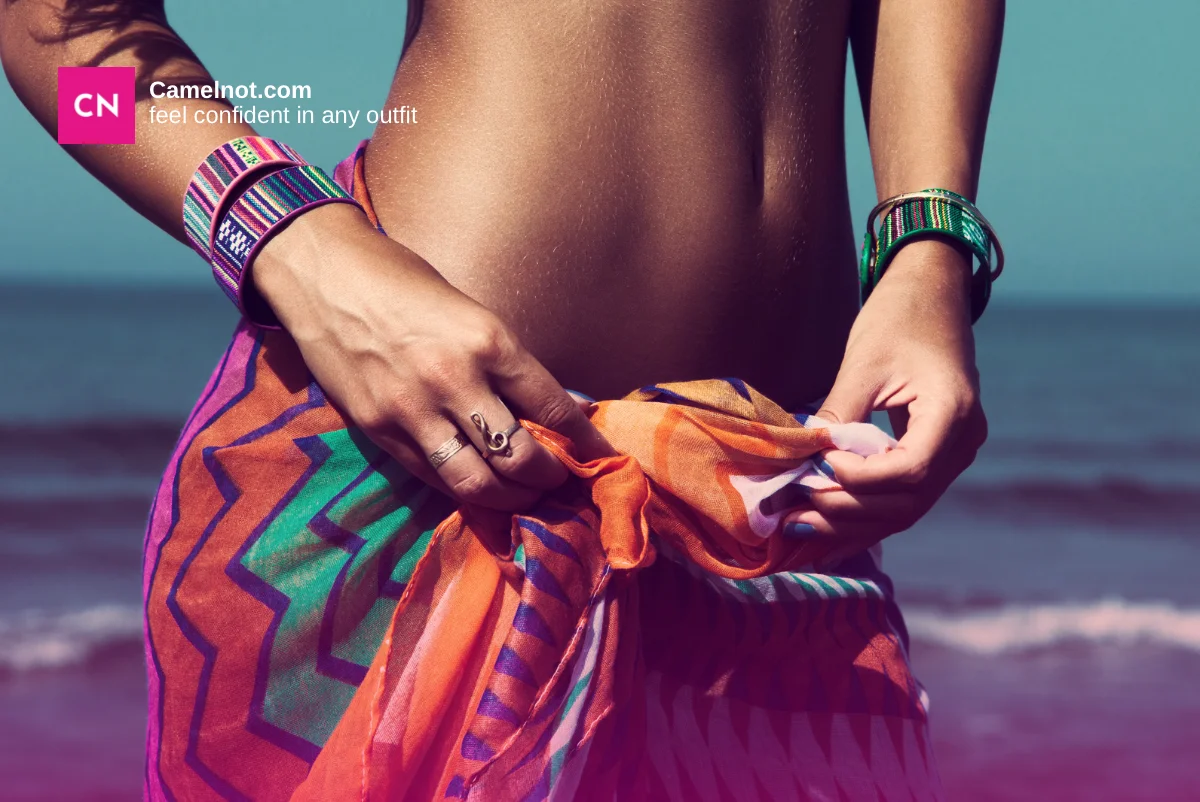
You can also carry a sarong or a cute scarf along with you as emergency protection that can be draped over your waist to cover the crotch area. As a bonus, this will also add a stylish touch to your outfit.
6. Adjust your clothing at intervals
Even with the right swimwear and clothing options, adjustments may be necessary to prevent camel toe because standing, sitting, and swimming movements can cause the clothing to go into the wrong place.
This means you will have to stay alert and check for any discomfort from time to time, especially if you are going to be outside for long.
If you notice any signs of bunching, try repositioning your clothing by pulling it down or adjusting the sides. Sometimes, a simple adjustment can help minimize the visibility of camel toe.
7. Try some DIY tricks
Many people have gotten great results from DIY tricks like using boob tapes, bra pads, or pantyliners. They can serve as inserts that can be strategically placed in the swimwear to create a barrier between the fabric and the labia area. These inserts can help prevent camel toe by providing additional padding and coverage.
There are also specially designed pads or liners available that can be discreetly placed in your underwear to create a smoother appearance and reduce camel toe visibility.
8. Carry a spare pair of clothing
If camel toe becomes a recurring issue for you, it may be helpful to carry a spare pair of clothing with you. This way, you can easily change into something more comfortable and less prone to camel toe.
9. Look for swimwear with adjustable features
Swimwear with adjustable features, such as ties or drawstrings, can help you achieve a more customized fit. These features allow you to loosen or tighten the swimwear as needed to prevent camel toe. You can even check out different varieties of this type of bathing suit on online shopping sites like Amazon.
10. Consider high-waisted bottoms or boy shorts
High-waisted bottoms or boy shorts provide more coverage and can help prevent camel toe. These styles typically have a wider and more secure waistband, reducing the likelihood of fabric bunching and camel toe.
11. Try not to go commando
Wear underwear before putting on your bottoms, as that extra layer of fabric can be a lifesaver. Also, make sure the genital area is clean and dry. Excess moisture can contribute to fabric sticking to the skin and increase the chances of camel toe.
12. Go with swim leggings or shorts
Swim leggings or shorts are made from quick-drying materials and can be worn underneath your swimwear. These options offer additional coverage and can prevent camel toe while still allowing you to participate in water activities.
13. Consider wearing a wetsuit
Wetsuits are commonly used for water activities like surfing or diving. These full-body suits provide a snug fit and cover the entire genital area, offering maximum protection against camel toe.
Tips for Staying Comfortable and Confident During Water-Related Activities
While preventing camel toe is important, it is equally crucial to feel comfortable and confident during outdoor activities. Here are some tips to help you embrace your body and enjoy your time in the water:
1. Focus on the activity
Instead of worrying about your appearance, focus on the enjoyment of the water activity. Engage in the activity wholeheartedly and let go of any self-consciousness. Believe me, sometimes the feeling is all in your head.
2. Surround yourself with supportive people
Choose to spend your time with people who uplift and support you. Surrounding yourself with positive influences can boost your confidence and help you feel more comfortable in your skin.
3. Practice self-acceptance
Remember that everyone’s body is unique, and variations are normal. Embrace your body as it is and practice self-acceptance. Confidence comes from within and radiates outward.
Final Thoughts
In conclusion, water itself may not directly cause camel toe, but it can increase the likelihood of its visibility. The type of clothing worn, the fabric used, and the fit of the garment all play significant roles in preventing camel toe.
By choosing the right clothing, being mindful of the fabric’s properties, and taking preventive measures, women can go through the day without the worry of camel toe.
If camel toe does occur, there are simple solutions available to address the situation discreetly. Remember, the key is to feel comfortable and fabulous in your clothing choices, both on land and in the water.