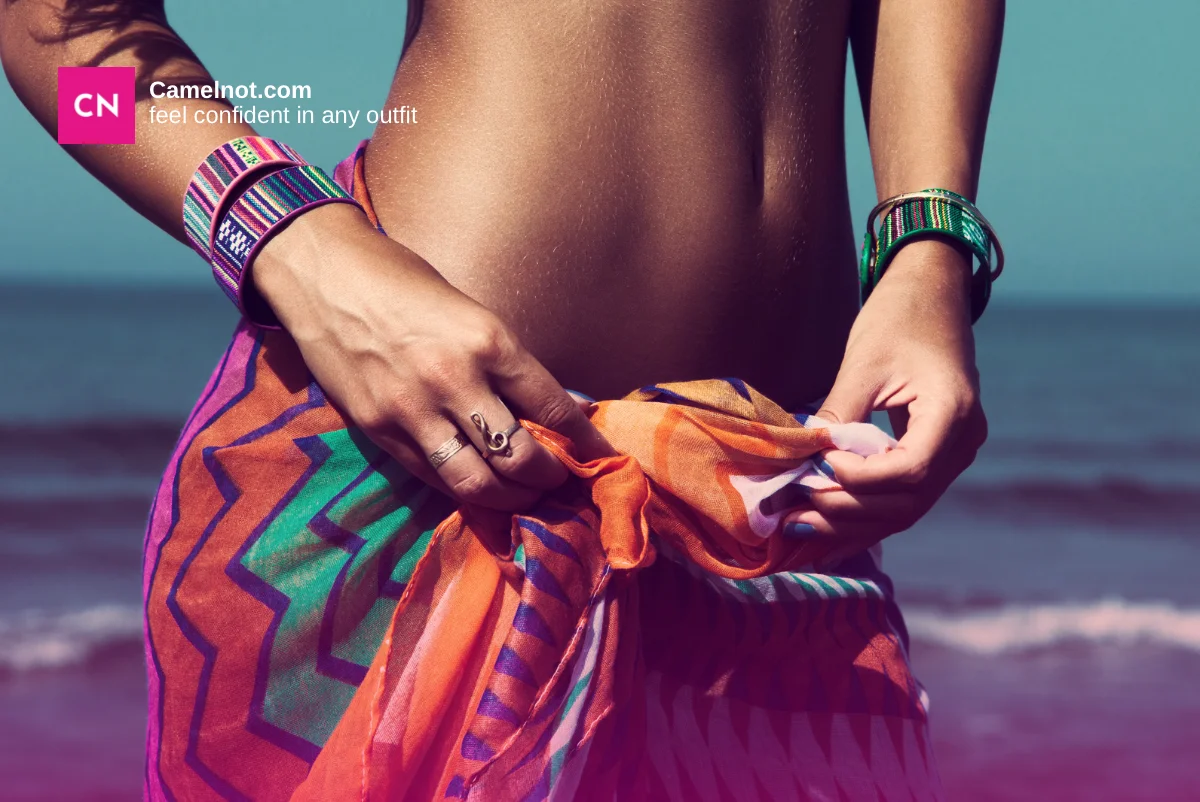

Summer days are the motivation we need to head back to the beach, where the sun warms our skin, and the waves tickle our toes. A bikini is often the outfit of choice to enjoy such inviting surroundings. However, you become unmotivated to enjoy the beach when you are worried about sporting a bikini camel toe.
This usually occurs when the fabric of a tight or ill-fitting bikini bottom gathers around the crotch area. It’s a common occurrence that can draw undesired attention and, sometimes, unwarranted embarrassment. For this reason, a lot of women are desperate to know, are bikini toes hard to prevent?
No, bikini camel toes are not hard to prevent at all, in fact, the good thing is that there are several ways you can avoid camel toe in your bikini without having to worry it will come back. Let’s take a look at some of the factors that can make you sport camel toe in your bikini and how to prevent them.
Factors Leading to Camel Toe in Bikinis
1. Tightness and fit of the bikini
Choosing a bikini that seems just right at the store doesn’t always guarantee a perfect fit while actively using it. Bikinis that are too tight, especially in the crotch area, are often the primary culprits behind camel toes.
A bikini bottom that doesn’t sit right or is excessively snug can easily cause the fabric to gather in the front, creating the camel toe effect. Moreover, continuous movement, whether it’s playing beach volleyball or simply lounging on your beach towel, can lead to fabric shifting, adding to the problem.
2. Type and thickness of fabric
Not all fabrics are created equal, especially when it comes to swimwear. Thin materials, while lightweight and quick-drying, tend to settle into the crevices of the body more easily. A bikini made from such materials is naturally more prone to showcasing a camel toe.
On the other hand, thicker materials or those with certain weaves can provide better coverage and resist the pull into the crotch area. It’s crucial to check the fabric content and its characteristics before making a bikini purchase.
3. Wetness
When the bikini gets wet, the fabric may cling to the skin, especially in the more sensitive areas. A bikini that fits perfectly when dry might become a bit more revealing when wet. This is due to the change in the fabric’s elasticity and the way it adheres to the body after a good splash or swim.
4. Body anatomy
For some, the shape and build of their pelvic area might make them more susceptible to bikini camel toes. It’s essential to remember that this is entirely natural and nothing to be ashamed of. However, understanding one’s body can help in making informed choices regarding bikini styles and fits that would be most flattering and comfortable.
Tips for Preventing Bikini Camel Toe
1. Choose the right size of bikini
Often, the temptation to size down for a snug fit or to ensure no wardrobe malfunctions while diving into waves can lead to tighter fits, especially around the crotch. However, it’s essential to strike a balance.
A too-tight bikini bottom will inevitably gather fabric in the wrong places. Ensure you try on different sizes, assess their comfort, and move around a bit to see how the material shifts. Your bikini should feel like a second skin, present but not restrictive.
2. Opt for thicker fabrics of bikini
While thin, lightweight fabrics might seem appealing due to their quick-drying properties, they’re also more likely to snugly fit and outline areas you might prefer to keep subtle. Thicker fabrics provide structure and are less prone to being overly clingy. When shopping, feel the fabric’s weight and stretch, keeping an eye out for those that have a robust, structured feel.
3. Bikinis with a gusset
A lesser-known but highly effective solution is the gusset – a piece of fabric sewn into the bikini bottom’s crotch area. This design element serves to provide extra coverage and reduce fabric tension in the region, thus minimizing the chances of a camel toe. The next time you’re bikini shopping, flip those bottoms inside out and see if there’s a gusset.
4. Get seamless bikinis

Seams can sometimes be the culprits behind the camel toe, especially if they run down the bikini’s center. Seamless bikinis, on the other hand, are designed to reduce the amount of stitching and seams in key areas, ensuring a smoother fit. The lack of a central seam can significantly diminish the chances of unwanted fabric gathering.
5. Get ruched or shirred bottoms

If you’re looking for a stylish solution, ruched or shirred bikini bottoms are the way to go. The gathered fabric not only offers a trendy look but also acts as an excellent camouflage, effectively hiding any potential camel toe. It’s a blend of fashion and functionality that ensures you both look and feel great.
6. Wear liners or padding
One of the more pragmatic solutions to prevent camel toe is using liners or padding. These are specially designed to be inserted into the bikini bottom, acting as a barrier between the fabric and the skin.
By adding this extra layer, the likelihood of the bikini material settling into crevices reduces, ensuring a smoother appearance. Plus, they offer the added bonus of providing extra coverage, making you feel even more secure.
7. Consider the cut of the bikini
The cut of the bikini can significantly influence its fit and the way it sits on your body. High-cut bikinis, which have higher leg openings, may reduce the chances of a camel toe simply because of their design. They sit above the hip bone, allowing more room and less tension in the crotch area.
On the other hand, some low-cut styles, if not chosen correctly, might be more prone to the camel toe effect. It’s essential to try different styles to see which works best for your body type and comfort level.
8. Make regular adjustments to your bikini
It might sound simple, but occasionally adjusting your bikini bottom can go a long way in preventing a camel toe. Activities, movement, or even just lounging can cause the bikini to shift. Making minor adjustments whenever you feel the need ensures that everything stays in place. It’s a small, practical step but can make a world of difference.
9. Use cover-ups

Beyond their aesthetic appeal, they serve as fantastic cover-ups, giving you that added layer of confidence. Having a cover-up on hand can help you feel more at ease, ensuring any potential camel toe is stylishly concealed.
10. Use camel toe concealers
Camel toe concealers are specifically designed products that act as a barrier between the bikini and the body. Typically made of silicone or other soft materials, they are shaped to comfortably fit in the crotch area and prevent the fabric from settling into crevices.
Conclusion
Bikini camel toe might seem like a common beach problem, but it’s easy to prevent. By picking the right bikini and using a few simple tricks, you can avoid it completely. So the next time you wear a bikini, you can do so with confidence, knowing you’re ready for a fun and worry-free day at the beach.